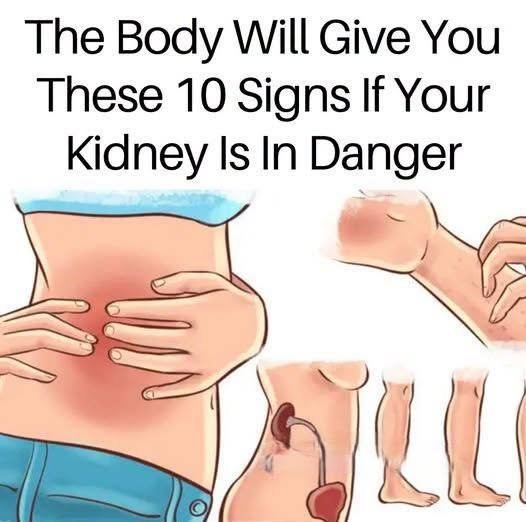
10 Warning Signs Your Kidneys May Be in Trouble
Your kidneys filter waste from your blood, regulate fluid levels, and help maintain healthy blood pressure. Kidney disease can develop silently, so you can have kidney damage even when you feel completely healthy.
10 signs to watch for
Your body may retain excess fluid when kidney function is impaired. Swelling can also result from heart or liver problems.
Repeatedly foamy urine may indicate excess protein leaking into the urine. Occasional bubbles alone do not necessarily mean kidney disease.
Advanced kidney disease can contribute to anemia and waste buildup, causing fatigue and low energy.
Needing to urinate more often at night, or producing much less urine than usual, can be a warning sign. Other conditions can cause these changes, too.
Pain near the kidneys can occur with kidney stones or infection, but chronic kidney disease often causes no pain at all.
This can occur in advanced kidney disease when waste products and minerals accumulate.
These symptoms may appear when kidney function becomes significantly impaired, although many other illnesses can cause them.
Pink, red, or brown urine needs medical assessment. Causes include kidney disease, stones, and urinary tract infections.
Cramps can occur with advanced kidney disease or electrolyte imbalances, but ordinary nighttime cramps are common and do not automatically indicate kidney damage.
Significant kidney dysfunction can cause fluid buildup or anemia. New or worsening breathlessness needs prompt medical evaluation.
These symptoms are recognized in kidney disease, particularly in more advanced stages, but none can diagnose kidney disease on its own.
How to check your kidney health
The most reliable way is through testing, not symptoms alone.
-
Blood test: Creatinine and estimated glomerular filtration rate (eGFR) assess kidney filtering function.
-
Urine test: Urine albumin-to-creatinine ratio (uACR) checks for protein leakage.
-
Blood pressure measurement: High blood pressure is both a risk factor for kidney disease and a possible consequence of it.
These checks are particularly important if you have diabetes, high blood pressure, heart disease, or a family history of kidney failure.
Seek emergency care if you develop severe breathing difficulty, chest pain, confusion, or almost no urine with severe illness.
One question for you
Are you experiencing any of these signs yourself, or are you asking for general information? If you have symptoms, tell me which ones and how long they have been happening, and I can help you understand what should be checked next.