10 Early Warning Signs of a Stroke Everyone Should Know to Take Prompt Action
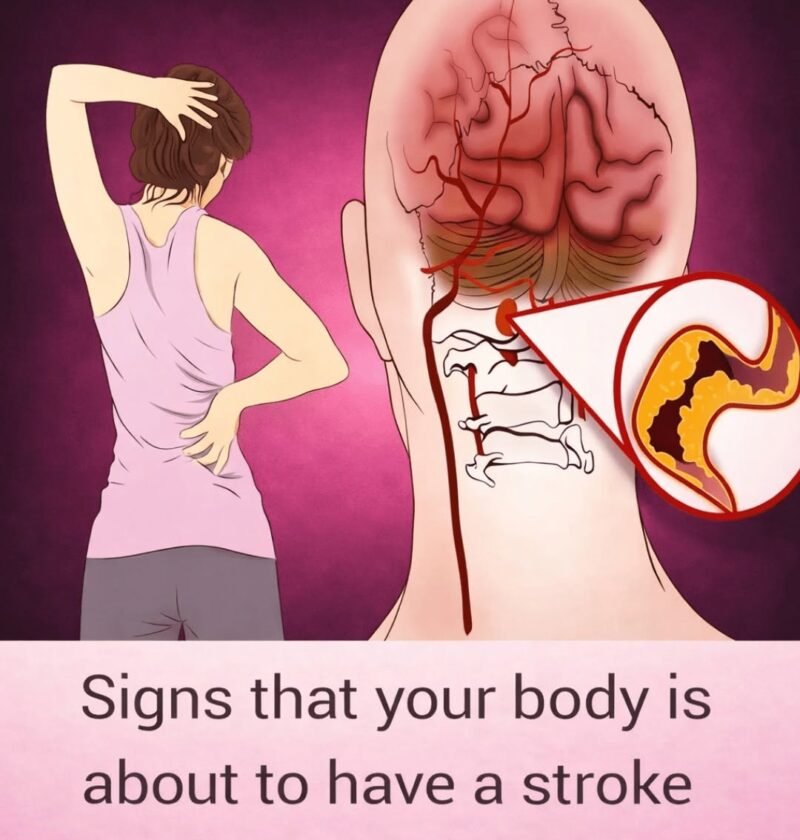
A stroke is a medical emergency that occurs when blood flow to part of the brain is blocked or when a blood vessel in the brain ruptures. Recognizing the warning signs early and getting emergency medical care immediately can save a life and reduce the risk of permanent brain damage or disability.
10 Early Warning Signs of a Stroke
1. Sudden weakness or numbness: Weakness or numbness in the face, arm, or leg, especially on one side of the body, may indicate a stroke.
2. Facial drooping: One side of the face may droop or feel numb. Ask the person to smile and check whether both sides move equally.
3. Difficulty speaking: Speech may suddenly become slurred, unclear, or difficult to understand. The person may struggle to find the right words.
4. Trouble understanding speech: A person may suddenly become confused or have difficulty understanding simple questions or instructions.
5. Sudden vision problems: Blurred or double vision, partial vision loss, or sudden blindness in one or both eyes can be a warning sign.
6. Sudden dizziness or loss of balance: The person may feel unusually dizzy, struggle to stand, stumble, or have difficulty walking straight.
7. Loss of coordination: Sudden clumsiness or difficulty controlling movements may occur, making ordinary activities such as walking or reaching for objects difficult.
8. A sudden, severe headache: An unusually intense headache that begins abruptly, especially without an obvious cause, may indicate a serious brain emergency, including a stroke.
9. Difficulty swallowing: Some people may suddenly struggle to swallow food, liquids, or even their own saliva.
10. Sudden confusion or memory problems: A person may become disoriented, forget familiar information, or struggle to understand what is happening around them.
These symptoms can appear suddenly and vary from person to person. Not everyone experiences all ten signs.
What to Do If You Notice Stroke Symptoms
Remember B.E. F.A.S.T.:
-
B — Balance: Watch for sudden dizziness or loss of coordination.
-
E — Eyes: Look for sudden vision changes.
-
F — Face: Check for facial drooping.
-
A — Arms: See whether one arm becomes weak or drifts downward.
-
S — Speech: Listen for slurred or unusual speech.
-
T — Time: Call emergency services immediately.
Never wait for symptoms to disappear. Even if they improve after a few minutes, the person may have experienced a transient ischemic attack (TIA), sometimes called a mini-stroke, which also requires urgent medical assessment.
Note the time symptoms began, do not give food, drinks, or medication such as aspirin unless instructed by medical professionals, and do not drive the person yourself if an ambulance is available.
Final takeaway: Recognizing stroke warning signs and acting quickly can save lives. If you suspect a stroke, seek emergency medical help immediately rather than waiting for confirmation.