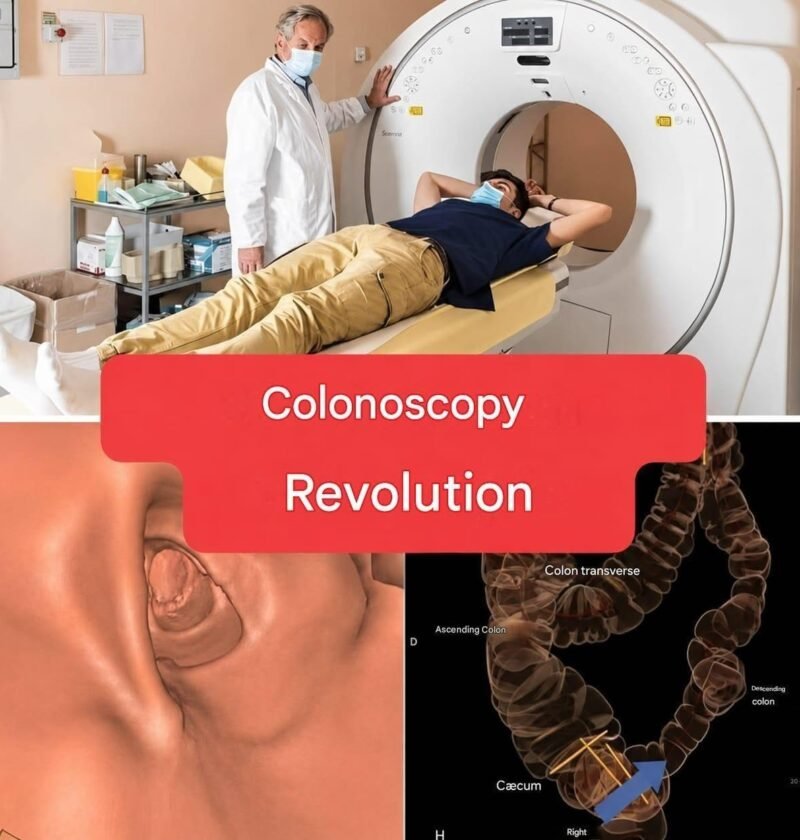
If you’re fact-checking “New method: colonoscopy will no longer be an invasive examination,” the claim is misleading.
There are now several less-invasive colorectal-cancer screening options, including at-home stool tests and, in the U.S., blood-based screening. The American Cancer Society’s 2026 guidance includes stool tests, CT colonography, and colonoscopy, while blood testing is an option mainly for people who decline or haven’t completed preferred screening methods. (DOI.org)
What are the alternatives?
- FIT stool test: Done at home, generally once a year. It looks for hidden blood.
- Stool DNA/RNA tests: Look for blood plus molecular markers associated with colorectal cancer.
- Blood tests: Newer blood-based tests can detect signals associated with colorectal cancer and offer a much easier screening experience. However, they are not as good as colonoscopy at detecting precancerous polyps. (U.S. Food and Drug Administration)
- CT colonography (“virtual colonoscopy”): Doesn’t require an endoscope entering the colon, but still requires bowel preparation and can lead to a conventional colonoscopy if an abnormality is found. (USPSTF)
🚨 The important catch
A colonoscopy does something the non-invasive tests generally cannot: if the doctor finds a precancerous polyp, it can often be removed during the same procedure. With stool or blood screening, a positive result generally means you still need a colonoscopy for diagnosis and treatment. (USPSTF)
Bottom line: New tests are making colorectal-cancer screening less invasive and more convenient, but colonoscopy has not become obsolete. If you’re eligible for screening but reluctant to have a colonoscopy, an at-home stool test may be a much better option than skipping screening altogether.