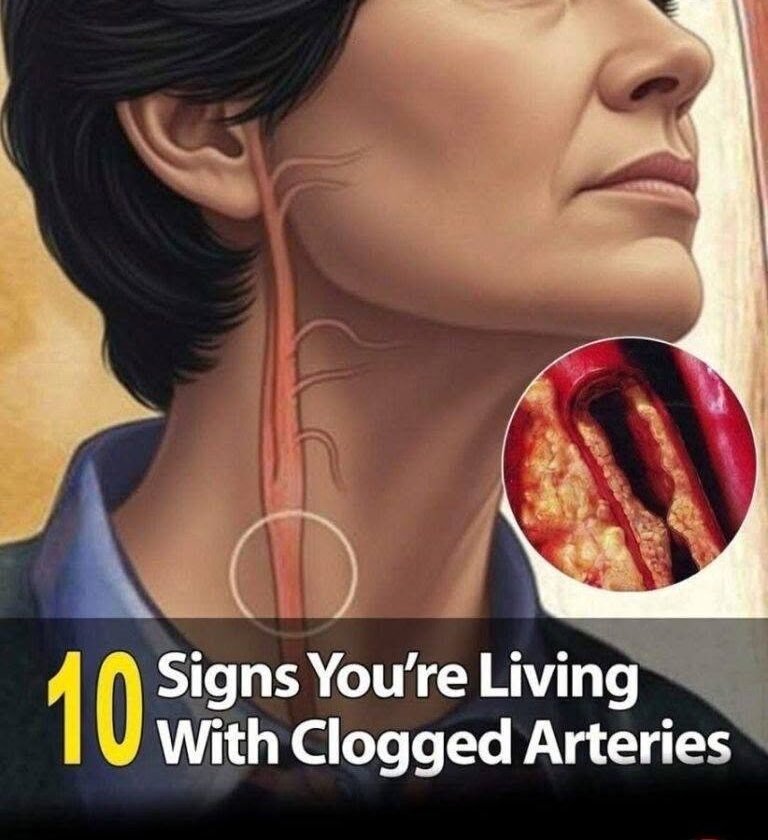
10 warning signs you shouldn’t ignore
Discomfort, squeezing, heaviness, or burning in the chest can indicate reduced blood flow to the heart.
Breathlessness during ordinary activities, or sometimes at rest, may be a sign of heart disease.
This can accompany a heart attack, particularly when combined with chest discomfort, sweating, or nausea.
Repeated cramping or aching in the calf, thigh, or buttock that improves with rest may indicate peripheral artery disease.
Persistent, unexplained fatigue can have many causes, but may accompany heart disease.
This can occur with heart problems, although dehydration, low blood pressure, and other conditions are also common causes.
Sudden sweating with chest discomfort, nausea, or breathlessness can be a heart attack warning sign.
A heart attack can sometimes feel like indigestion or upper abdominal discomfort, particularly when other warning signs occur.
Swelling is not a specific sign of blocked arteries. It can indicate heart failure or other heart, kidney, or circulation problems and should be evaluated if persistent.
These may indicate a stroke caused by interrupted blood flow to the brain. Seek emergency care immediately.
These symptoms can have causes other than blocked arteries, and some people have no warning signs at all.
When to seek emergency help
Call your local emergency service immediately if you experience:
-
New or persistent chest pressure or pain.
-
Sudden severe breathlessness, collapse, or fainting.
-
Sudden facial drooping, one-sided weakness, or difficulty speaking.
-
Sudden severe pain with a cold, pale, or blue limb.
Do not wait for symptoms to go away or drive yourself to hospital.
How can you check your artery health?
A clinician may assess your blood pressure, cholesterol, blood sugar, smoking history, and family history. Depending on your symptoms, further testing may include an ECG, an ankle-brachial index for leg circulation, or imaging of the arteries. No single symptom or home remedy can confirm that an artery is blocked.
A quick question: Are you asking for general prevention, or have you noticed a symptom yourself—such as leg pain when walking, cold feet, chest discomfort, or shortness of breath? If you tell me which one, I can explain the appropriate next steps.