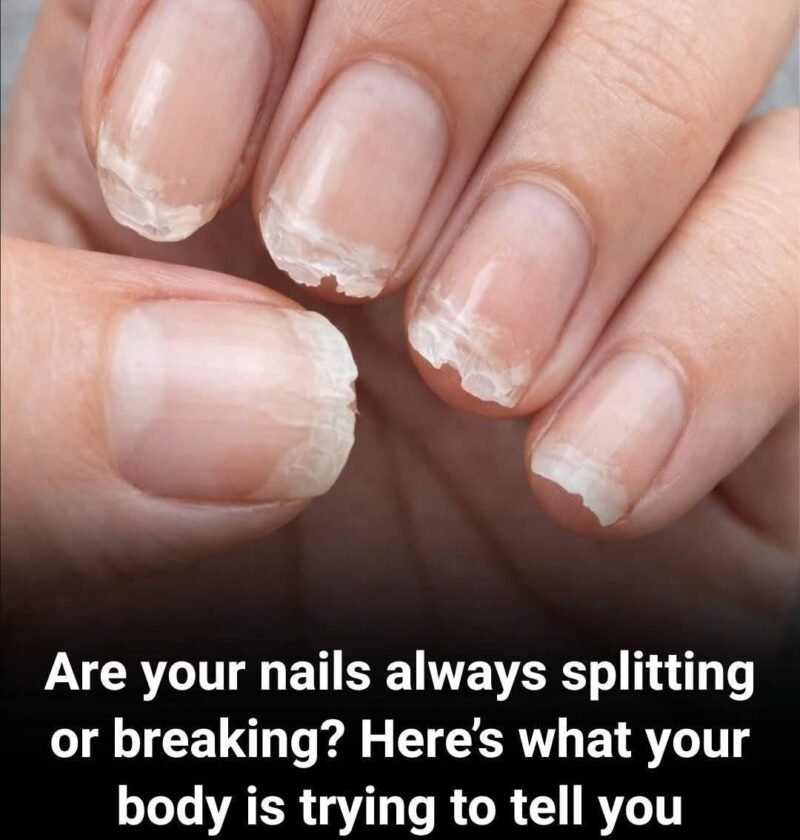
Weak or Brittle Nails: What Your Body Is Trying to Tell You
Weak, splitting, or brittle nails are common. Sometimes the cause is frequent handwashing, cleaning products, or repeated exposure to water. In other cases, nail changes may be associated with aging, nutritional deficiencies, or an underlying health condition.
The important thing to know is that brittle nails alone do not prove you have a vitamin deficiency or a serious illness.
1. What your nails might be telling you
Often caused by frequent wetting and drying, detergents, nail polish remover, or nail treatments. Protecting your hands and moisturizing regularly may help.
These are often harmless and become more noticeable with age. New or pronounced changes accompanied by other symptoms deserve medical assessment.
Sometimes associated with anemia, including iron deficiency, particularly if you also experience fatigue, dizziness, or breathlessness. A blood test can help identify the cause.
May indicate a fungal infection, although injury, psoriasis, and other conditions can produce similar changes.
Can occur after illness, injury, or periods of physical stress. Several nails changing suddenly should be evaluated, especially if you have other symptoms.
2. Could weak nails mean a nutritional deficiency?
Sometimes. Nutrients involved in normal nail growth include:
-
Iron: Low iron levels can be associated with brittle or spoon-shaped nails.
-
Protein: Inadequate nutrition can affect nail growth.
-
Zinc: Severe deficiency can cause nail changes.
-
Vitamin B12 and folate: Deficiencies can cause anemia and other symptoms that may accompany nail changes.
Biotin supplements are widely marketed for stronger nails, but evidence of benefit in otherwise healthy people is limited. High doses can also interfere with certain laboratory tests.
Don’t start iron or high-dose supplements without a clear reason; excessive intake can be harmful.
3. Five simple ways to strengthen your nails naturally
Apply hand cream or petroleum jelly to your nails and cuticles, especially after washing your hands and before bed.
Wear gloves when washing dishes or handling cleaning products. Limit prolonged soaking and repeated wet-dry cycles.
Include eggs, lentils, beans, meat or fish if you eat them, leafy greens, and nuts as part of a balanced diet.
File rough edges gently in one direction. Avoid picking, biting, aggressive buffing, and frequent acetone use.
Drink regularly according to thirst and your medical needs. Extra water alone will not correct brittle nails caused by nutritional deficiencies or nail damage.
4. When should you see a doctor?
Arrange a medical assessment if your nails become persistently brittle without an obvious cause, change shape or color, separate from the nail bed, or develop swelling or pain. Seek prompt care for a new dark streak affecting one nail, particularly if it widens or changes.
If brittle nails occur alongside significant fatigue, hair loss, unexplained weight changes, or heavy menstrual bleeding, a clinician may consider tests for iron deficiency, thyroid problems, or other causes.
Nails grow slowly, so improvement can take several months even after the cause is addressed.
Let me help you identify the likely cause
2. How long has this been happening?
3. Do you have any other symptoms?
Help me understand my nail symptoms