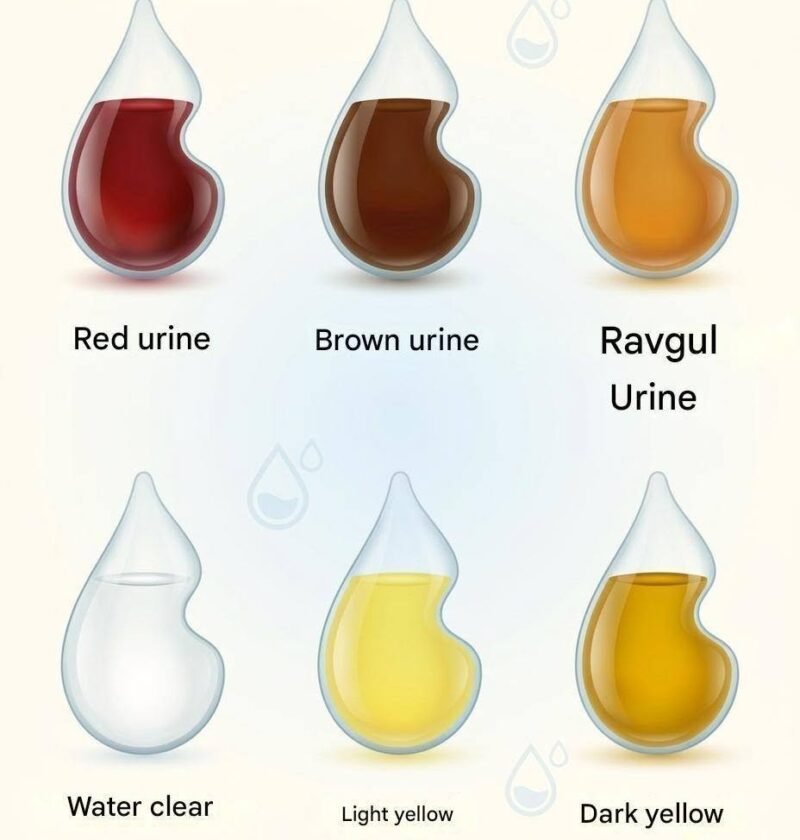
What the color of your urine can tell you about your health
Urine color can offer useful clues about hydration, diet, medications, and sometimes your health. Pale yellow is generally a sign of good hydration, but color alone cannot diagnose a medical condition.
Here is a simple guide to the most common urine colors and what they may mean.
Urine color guide
Typically consistent with adequate hydration.
Often means your urine is concentrated, for example after sweating or not drinking enough. Drink water regularly unless you’ve been told to restrict fluids.
Can happen when you drink a lot of water. Occasional clear urine is usually harmless, but you don’t need to force yourself to drink enough to keep it colorless.
Beets and certain medicines can cause this, but blood in the urine is another possibility. Get medical assessment promptly, even if it happens only once.
May indicate severe dehydration, liver problems, or muscle injury. Seek urgent medical assessment, particularly if it persists or comes with weakness, muscle pain, or yellowing of the eyes.
Can result from dehydration, vitamins, or medication. If it persists or occurs with pale stools or yellow skin or eyes, seek prompt medical advice.
May be related to a urinary tract infection, crystals, or other causes. Get checked if it persists or comes with burning, frequent urination, fever, or pain.
These are general clues, not diagnoses. Foods, vitamins, and medicines can also change urine color.
When should you be concerned?
Contact a healthcare professional if an unusual color persists without an obvious explanation, or if you notice blood, persistent foam, or changes in urination. Fever with back or side pain, inability to urinate, or severe symptoms require urgent care.
Let me help you interpret your urine color
What color have you noticed?
Are you experiencing any other symptoms?
Explain what it may mean