A Month Before a Stroke, Your Body May Warn You: 10 Signs Not to Ignore
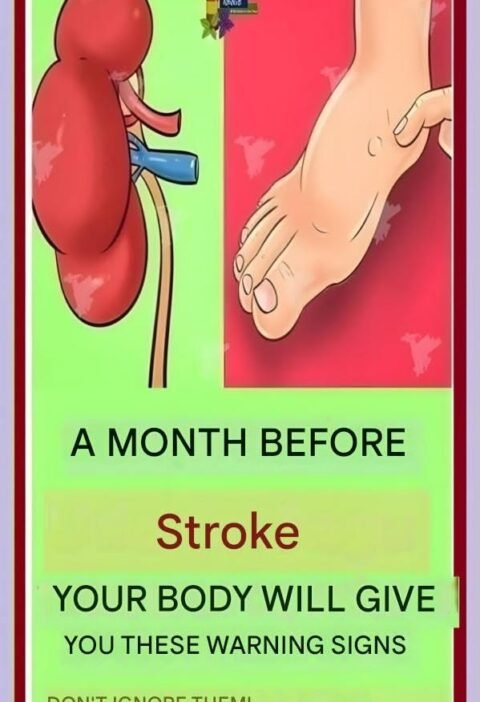
A stroke can happen suddenly, but some people experience warning symptoms before it occurs. Recognizing these signs is important because early medical attention can save brain tissue, prevent disability, and potentially save a life.
However, there is no reliable rule that the body will warn you exactly one month before a stroke. Many strokes occur without any advance warning, and symptoms that come and go can still signal a medical emergency.
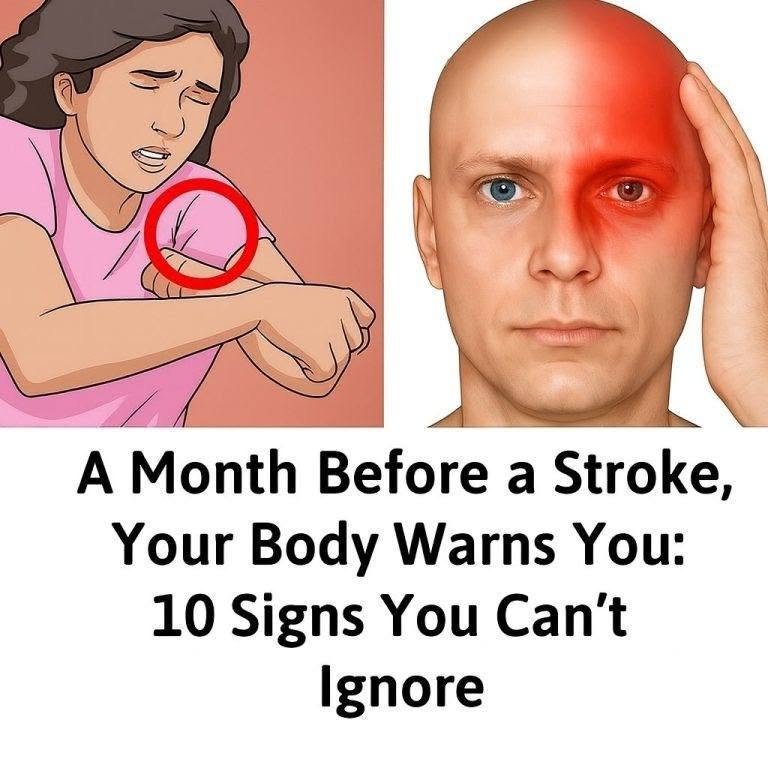
10 Warning Signs You Should Know
1. Sudden weakness or numbness: Weakness or numbness in the face, arm, or leg, particularly on one side of the body, can indicate a stroke.
2. A drooping face: One side of the face may suddenly sag, especially when smiling.
3. Difficulty speaking: Slurred speech, trouble finding words, or difficulty understanding what others are saying may be warning signs.
4. Sudden vision problems: Blurred vision, double vision, or sudden loss of sight in one or both eyes requires urgent evaluation.
5. Unexplained dizziness: Sudden dizziness, loss of balance, or difficulty walking can sometimes indicate a stroke.
6. A sudden, severe headache: An unusually intense headache that appears abruptly may signal bleeding in or around the brain.
7. Brief episodes of stroke-like symptoms: Temporary weakness, speech difficulties, or vision loss may indicate a transient ischemic attack (TIA), sometimes called a mini-stroke. Symptoms that disappear still require emergency assessment.
8. Difficulty swallowing: Sudden trouble swallowing, especially with other neurological symptoms, can be a warning sign.
9. Sudden confusion: New difficulty understanding simple instructions, thinking clearly, or recognizing familiar information may indicate a neurological emergency.
10. Sudden loss of coordination: Unexplained clumsiness, inability to control movements, or difficulty standing may be associated with a stroke.
What Should You Do if You Notice These Signs?
Remember the stroke warning acronym FAST:
-
F — Face: Is one side of the face drooping?
-
A — Arms: Does one arm drift downward when both arms are raised?
-
S — Speech: Is speech slurred or difficult to understand?
-
T — Time: Call your local emergency service immediately.
Other sudden symptoms, including vision loss, severe dizziness, or an unexplained extreme headache, can also require emergency care.
Do not wait for symptoms to improve or for a doctor’s appointment. Even if the symptoms disappear after a few minutes, seek emergency medical evaluation. Note the time symptoms began, and do not drive yourself to the hospital.
Can You Reduce Your Risk of Stroke?
Yes. You can reduce your risk by controlling high blood pressure, managing diabetes and cholesterol, avoiding smoking, exercising regularly, eating a balanced diet, and taking prescribed medicines as directed.
The most important thing to remember: A stroke does not always provide a month of warning. Sudden neurological symptoms should always be treated as an emergency, even if they last only a short time.