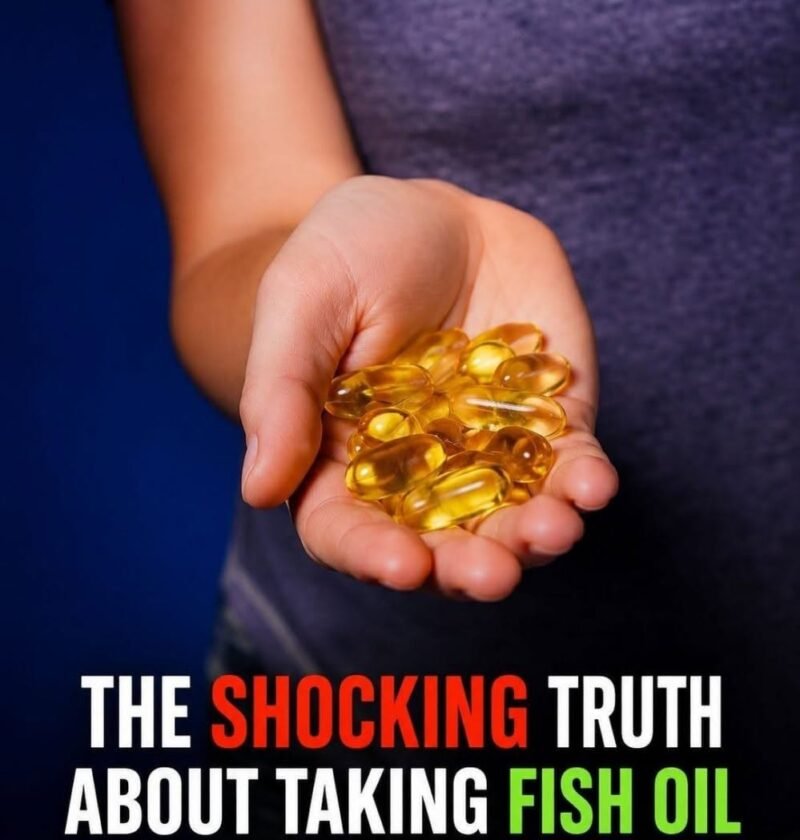
What Happens When You Take Fish Oil for 90 Days?
Fish-oil supplements provide omega-3 fatty acids, mainly EPA and DHA. What you notice after three months depends on your diet, dose, and why you’re taking it.
Possible effects include:
- Lower triglycerides: This is one of the better-established effects of omega-3 supplementation, particularly at sufficiently high doses.
- Changes in blood omega-3 levels: EPA and DHA become incorporated into cell membranes over time.
- Possible cardiovascular effects: The evidence is mixed for routine fish-oil supplements preventing heart attacks or strokes in otherwise healthy people. Prescription-strength omega-3 preparations are different and are used for specific medical indications.
- Little or no noticeable change: Many people won’t feel different even if their triglyceride levels or omega-3 status changes.
- Digestive side effects: Fishy aftertaste, burping, heartburn, nausea, or loose stools can occur.
What about “blood thinning”?
Fish oil can affect platelet function, but it shouldn’t be considered a substitute for prescribed blood thinners. If you’re taking anticoagulants or antiplatelet medicines, or you’re preparing for surgery, discuss fish-oil supplementation with your healthcare professional.
Also, more isn’t necessarily better. High doses can have risks, including an increased risk of atrial fibrillation in some people.
For most people, getting omega-3s from foods such as salmon, sardines, trout, and other oily fish is a good approach. If you’re considering fish oil for high triglycerides or another medical reason, the appropriate dose should be individualized.