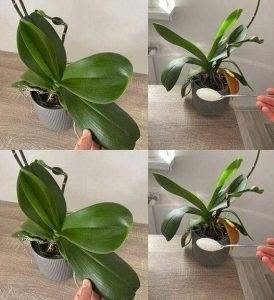
If you’re referring to the viral claim “Just 1 tablespoon and orchids will bloom non-stop,” be careful. There is no single household ingredient that reliably makes orchids bloom continuously, and applying too much fertilizer can damage their roots.
🌸 A safer way to encourage orchid blooms
-
Use a balanced orchid fertilizer according to the product label rather than relying on a homemade “miracle” fertilizer.
-
Fertilize only when the orchid is actively growing and avoid applying concentrated fertilizer to dry roots.
-
Give the plant bright, indirect light. Insufficient light is a common reason orchids fail to flower.
-
Water thoroughly, then allow excess water to drain. Don’t let the roots sit in stagnant water.
-
Use a well-draining orchid medium and make sure the pot has drainage holes.
-
After flowering, continue caring for the plant rather than repeatedly forcing blooms.
⚠️ About the “1 tablespoon” recipes
Online posts sometimes recommend sugar, baking soda, rice water, coffee, milk, or other kitchen ingredients. These aren’t interchangeable with a properly formulated fertilizer, and some can encourage mold, salt buildup, or root problems.
Also, “non-stop blooming” isn’t realistic. Orchids naturally have flowering and resting periods, and healthy plants can rebloom when their light, temperature, watering, and nutrition are appropriate.
If you tell me what the 1-tablespoon ingredient is from the recipe you saw, I can tell you whether it’s safe for your orchid and how to use it.