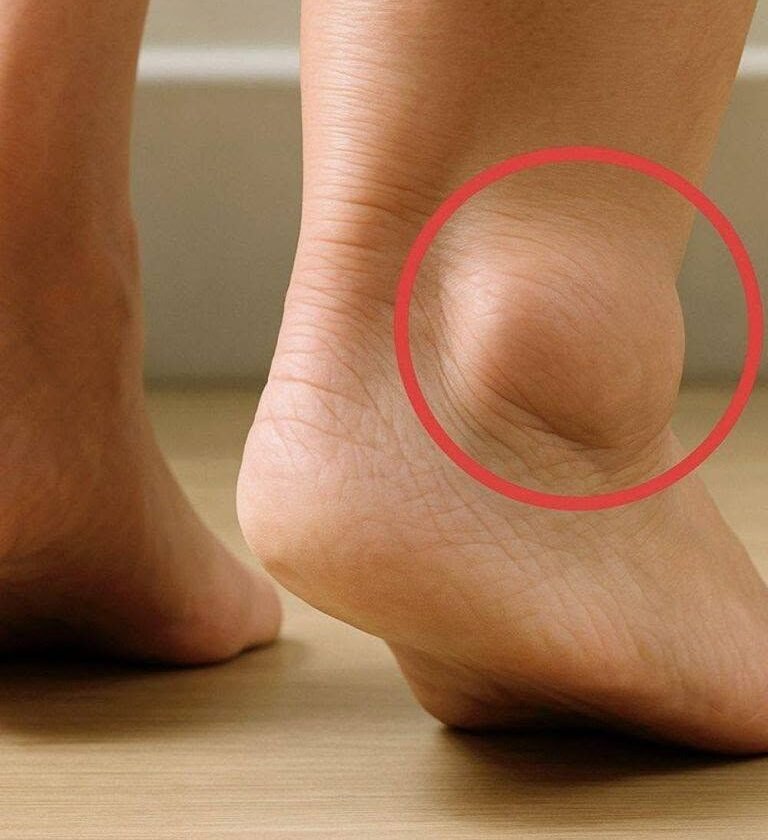
Swollen Feet in Older Adults: Common Causes and Prevention
Swollen feet and ankles are common in older adults, but persistent swelling shouldn’t simply be dismissed as a normal part of aging. The medical term is edema, meaning excess fluid has accumulated in the tissues.
Common causes
-
Long periods of sitting or standing: Fluid can collect in the lower legs because gravity makes it harder for blood to return to the heart.
-
Chronic venous insufficiency: Veins in the legs may not move blood back toward the heart efficiently.
-
Heart, kidney, or liver problems: These conditions can cause the body to retain excess fluid.
-
Certain medications: Some blood-pressure medicines, hormones, steroids, and other drugs can cause ankle or foot swelling.
-
Injury or infection: Swelling may occur around an injured or infected area.
-
Blood clot (DVT): A clot can cause swelling, usually affecting one leg, often with pain, warmth, or redness.
Ways to reduce swelling
-
Elevate the feet above heart level for periods during the day.
-
Take regular walks and avoid sitting still for hours.
-
Perform gentle ankle pumps and leg movements.
-
Reduce excessive dietary sodium if advised by your healthcare professional.
-
Maintain a healthy weight and stay physically active.
-
Wear properly fitted shoes and avoid clothing that tightly constricts the legs.
Don’t automatically start compression socks or water pills (diuretics) without medical advice, particularly if the cause of the swelling hasn’t been established.
🚨 When to seek medical care
Get urgent medical attention for sudden swelling in one leg, especially if accompanied by pain, warmth, redness, or tenderness. Swelling with sudden shortness of breath, chest pain, fainting, or coughing blood is an emergency.
For swelling that persists, repeatedly returns, or is getting worse, an evaluation can help identify the underlying cause rather than simply treating the swelling itself.