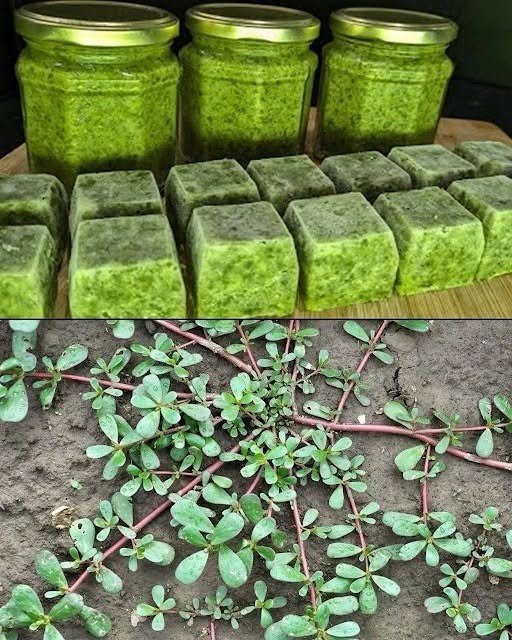
Never Step on This “Weed”—It Could Be a Gold Mine for Your Garden
Not every plant growing where you didn’t put it is a weed that needs to be destroyed.
Some volunteer plants can support pollinators, soil life, and garden biodiversity. Before pulling or trampling an unfamiliar plant, take a moment to identify it.
🐝 Why Some “Weeds” Are Valuable
Certain wild plants can:
- Provide nectar and pollen for bees and other beneficial insects
- Offer shelter for insects and small wildlife
- Help cover bare soil
- Contribute organic matter when managed appropriately
- Add biodiversity to a garden
Some plants traditionally called weeds can even be useful as food or medicinal plants—but only after they have been positively identified.
🔎 Don’t Assume Every Weed Is Beneficial
An unidentified plant could also be invasive, irritating, poisonous, or simply aggressive enough to take over your garden.
That’s why the best rule is:
Identify it before you decide what to do with it.
Take photographs of the leaves, flowers, stem, and entire plant and use a reliable plant-identification source or ask a local horticulture expert.
🚫 Never Eat an Unknown Plant
Wild plants can have toxic look-alikes. Never consume a plant based solely on a social-media post or an uncertain identification.
And if you’re handling an unfamiliar plant, wearing gloves is a sensible precaution.
🌱 A Better Garden Habit
Instead of automatically removing every volunteer plant, consider whether it is:
Useful → Keep or manage it.
Neutral → Leave it if you like it.
Invasive or harmful → Remove it safely.
Bottom line: That unexpected “weed” might be valuable—but you need to know what it is first. The real gardening gold mine isn’t a mystery ingredient; it’s learning which plants help your garden and which ones need to go.