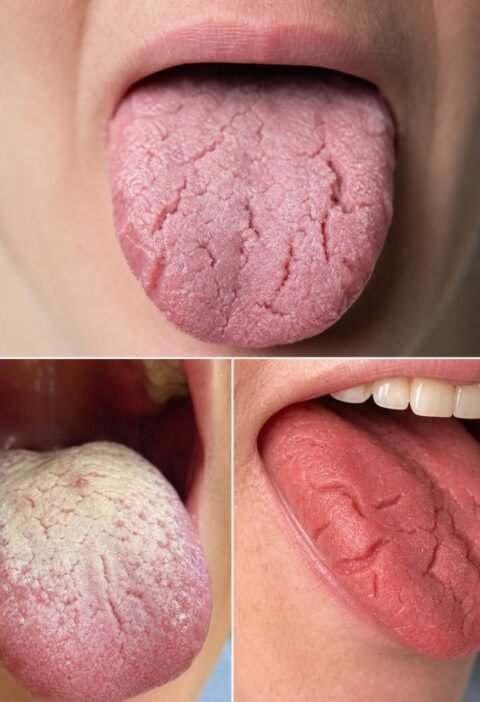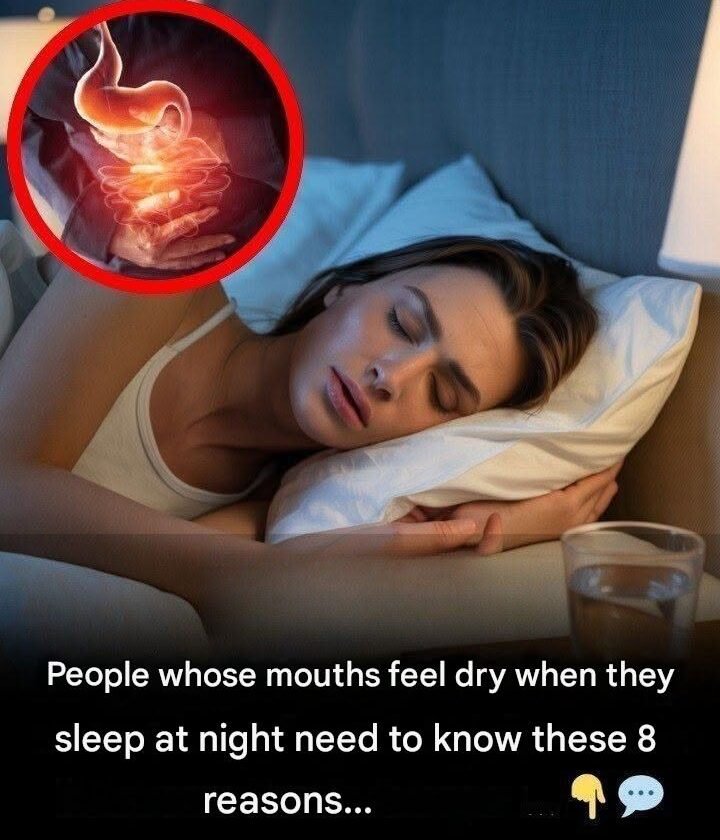
8 reasons your mouth may feel dry at night
Waking up with a dry mouth (xerostomia) is common and doesn’t necessarily mean you’re dehydrated. It happens when saliva production decreases or when you’re breathing through your mouth during sleep.
8 common possibilities
-
Mouth breathing — A blocked nose, allergies, a deviated nasal septum, or simply sleeping with your mouth open can dry the mouth.
-
Snoring or sleep apnea — Repeated mouth breathing during sleep can leave your mouth extremely dry in the morning. Loud snoring, witnessed pauses in breathing, gasping, or significant daytime sleepiness warrant medical evaluation.
-
Not drinking enough fluids — Dehydration can reduce saliva production, particularly after sweating, vomiting, diarrhea, or inadequate fluid intake.
-
Medications — Dry mouth is a common side effect of numerous medicines, including some antihistamines, antidepressants, blood-pressure medicines, decongestants, and diuretics. Don’t stop a prescribed medication without medical advice.
-
Alcohol or tobacco — Alcohol can contribute to dehydration and dry mouth, while smoking can reduce saliva and irritate oral tissues.
-
High blood sugar — Persistent thirst and dry mouth can occur with diabetes, particularly when glucose is significantly elevated.
-
Anxiety or stress — These can temporarily reduce saliva production and contribute to a dry-mouth sensation.
-
Salivary-gland or other medical conditions — Persistent dry mouth can occasionally be associated with conditions affecting the salivary glands or autoimmune disorders such as Sjögren’s disease.
Why persistent dry mouth matters
Saliva protects your teeth and mouth. Long-term dryness can increase the risk of tooth decay, gum problems, mouth infections, difficulty swallowing, and bad breath.
What you can try
Keep water available, maintain good oral hygiene, limit alcohol and tobacco, and consider a humidifier if your bedroom air is very dry. Sugar-free gum or sugar-free lozenges can stimulate saliva production.
If dry mouth continues for several weeks, is severe, or comes with excessive thirst/urination, difficulty swallowing, mouth sores, or significant dental problems, talk with a healthcare professional or dentist.
If you tell me whether you wake with a completely dry mouth, snore, take any medications, or also feel unusually thirsty, I can help narrow down the likely cause.