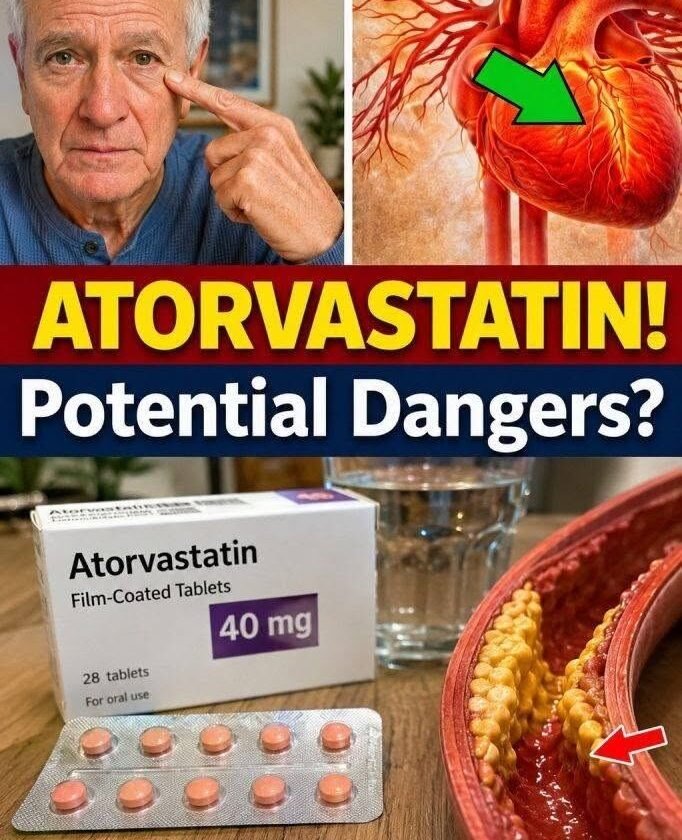
Atorvastatin Side Effects: 15 Things Worth Knowing
Atorvastatin is a statin medication used to lower LDL (“bad”) cholesterol and reduce the risk of heart attack and stroke. Most people tolerate it well, but side effects are possible.
15 things to know
-
Muscle aches — Mild soreness or aching can occur.
-
Muscle cramps — Some people develop cramps or discomfort.
-
Muscle weakness — New, unexplained weakness should be reported.
-
Headache — Can occur, particularly after starting treatment.
-
Nausea — Some people experience mild nausea.
-
Digestive upset — Indigestion, diarrhea, or constipation can occur.
-
Dizziness — This is reported by some people taking atorvastatin.
-
Sleep changes — Sleep disturbances have occasionally been reported.
-
Joint or back pain — These symptoms can occur but aren’t necessarily caused by the medicine.
-
Liver-enzyme changes — Blood tests may show changes in liver enzymes.
-
Blood-sugar changes — Statins can slightly increase blood glucose in some people.
-
Memory or concentration symptoms — These have been reported, although they’re uncommon and the relationship with statins can be difficult to establish.
-
Drug interactions — Some antibiotics, antifungals, antivirals, and other medicines can increase atorvastatin levels and the risk of adverse effects.
-
Grapefruit interactions — Large quantities of grapefruit or grapefruit juice can increase atorvastatin exposure.
-
Rare serious muscle or liver problems — Severe muscle symptoms or signs of liver injury require prompt medical attention.
🚨 When to seek help
Contact a healthcare professional promptly if you develop unexplained severe muscle pain or weakness, particularly with dark-colored urine. Yellowing of the skin or eyes, unusually dark urine, or severe abdominal symptoms should also be evaluated.
If you think atorvastatin is causing side effects, don’t stop taking it without talking to your prescriber. Your clinician may be able to adjust the dose, check for interactions or other causes, or consider an alternative treatment.
Important: Atorvastatin substantially reduces cardiovascular risk for appropriate patients, so the potential benefits and side effects should be considered together rather than focusing only on adverse effects.