Is a New Method Making Colonoscopy Non-Invasive?
There are promising alternatives to traditional colonoscopy, but the claim that colonoscopy itself will “no longer be an invasive examination” is misleading.
One of the most interesting developments is colon capsule endoscopy. Instead of inserting a conventional scope, the patient swallows a capsule containing a tiny camera. It travels through the digestive tract and captures images that doctors can review later. Recent research has found encouraging accuracy for detecting colorectal polyps. PubMed+1
Other non-invasive or less-invasive approaches are also advancing:
-
Stool-based tests can detect blood or molecular markers associated with colorectal cancer without an invasive procedure.
-
Blood-based screening tests are now part of the expanding colorectal-cancer screening landscape, although they are less sensitive for some precancerous lesions than established stool tests. Annual Reviews+1
-
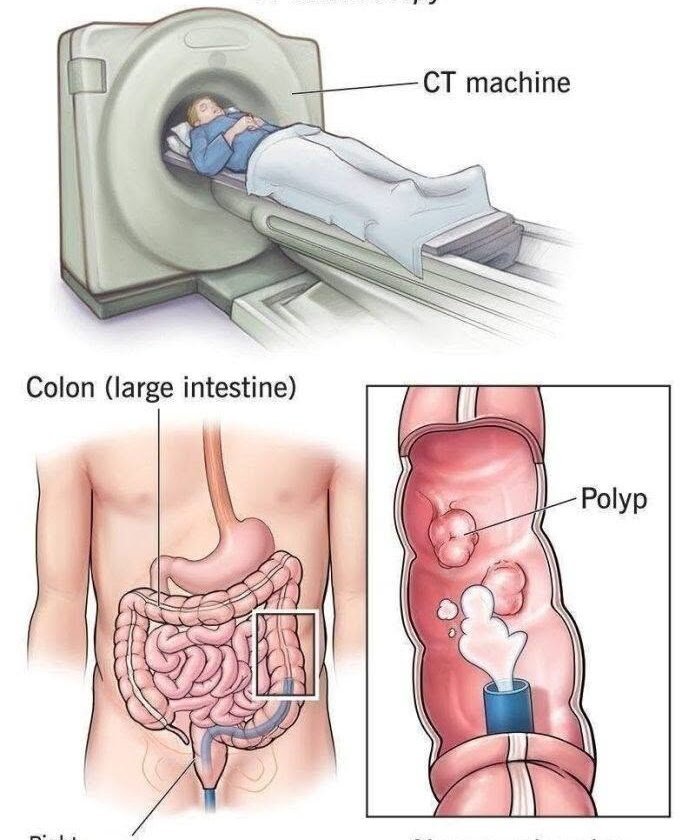
CT colonography (“virtual colonoscopy”) creates images of the colon without a traditional endoscope.
-
Capsule endoscopy can visualize the colon without inserting a long flexible camera, although bowel preparation is still generally necessary. Cancer.gov
Why traditional colonoscopy still matters
The major advantage of conventional colonoscopy is that doctors can see an abnormality, remove many polyps, and take a biopsy during the same procedure. A capsule, stool test, or blood test generally cannot do that. If a non-invasive screening test produces a concerning result, a conventional colonoscopy may still be required. The 2026 American Cancer Society guideline specifically notes that a positive stool or blood-based screening test requires timely follow-up colonoscopy. pressroom.cancer.org+1
Bottom line: Colorectal-cancer screening is becoming increasingly non-invasive, but traditional colonoscopy has not been replaced. Capsule endoscopy and newer stool- and blood-based tests may give patients additional screening options, while research continues to determine where each method fits best.