Navigating Vitamin Habits: Stroke Risk, Older Adults, and Brain Health
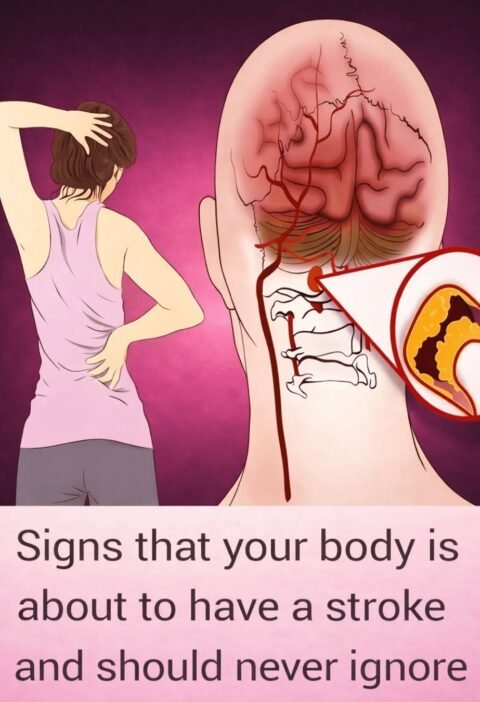
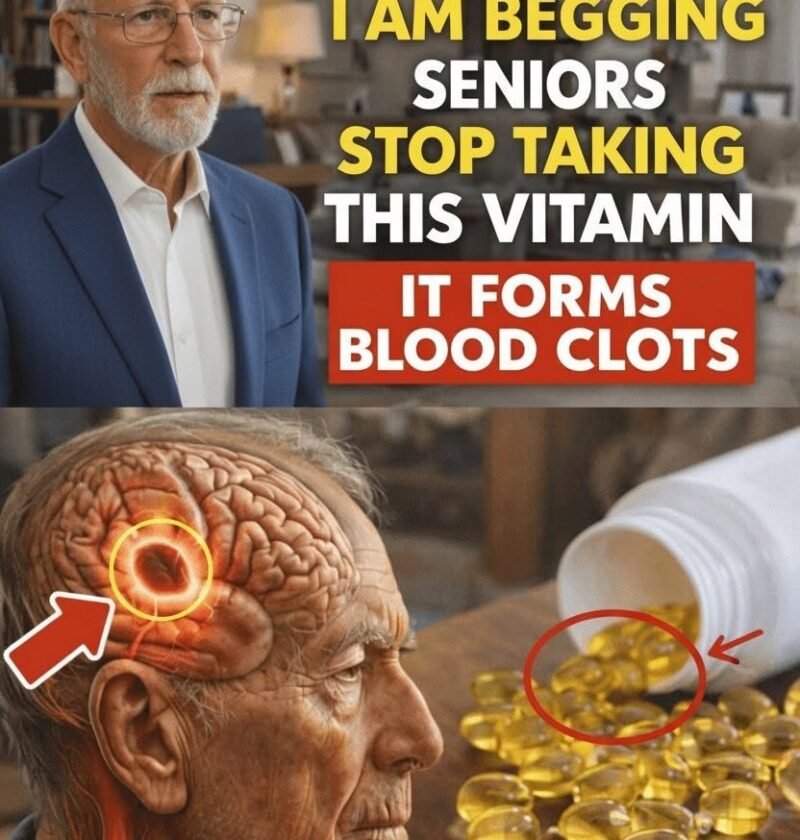
For older adults, vitamins can be useful when they correct a genuine nutritional deficiency, but taking more vitamins does not automatically mean better protection for the brain or against stroke.
What the evidence suggests
-
Vitamin E: High-dose supplementation should not be used to prevent stroke or cardiovascular disease. The USPSTF recommends against vitamin E for cardiovascular-disease prevention, and some trials have found an increased risk of hemorrhagic stroke. USPSTF+1
-
B vitamins, folate and B12: These vitamins help regulate homocysteine. Evidence from NIH indicates that folic acid supplementation can reduce stroke risk in some populations, particularly where folate intake is low, but this does not mean everyone should take high-dose B-vitamin supplements. Office of Dietary Supplements
-
Vitamin D: Correcting deficiency may be important for general health, but supplementation has not been shown to prevent cardiovascular disease or stroke in generally healthy adults. USPSTF
-
Multivitamins: Current evidence does not establish that routine multivitamin use prevents stroke or cardiovascular disease. USPSTF+1
-
Vitamin B6: More is not necessarily better. Excessive B6 supplementation can cause serious adverse effects, and NCCIH advises discussing supplements with a healthcare professional. NCCIH
What matters more for brain and stroke health
The American Heart Association’s 2024 stroke-prevention guidance emphasizes established risk factors and lifestyle measures, including blood-pressure control, physical activity, healthy eating patterns, and management of cardiovascular risk factors. A Mediterranean-style dietary pattern is specifically recommended for primary stroke prevention. professional.heart.org+1
A practical approach for an older adult is therefore:
-
Eat a nutrient-rich diet first—vegetables, fruits, whole grains, legumes, nuts, fish and other appropriate protein sources.
-
Use supplements to address identified needs, rather than routinely taking high doses.
-
Review every supplement with a clinician or pharmacist, especially if taking blood thinners or multiple medications.
-
Pay particular attention to blood pressure, diabetes, cholesterol, smoking, physical activity and sleep, because these factors have a much clearer relationship with stroke and brain health.
-
Investigate new memory or thinking problems medically rather than assuming they are caused by vitamin deficiency. Some potentially treatable conditions and medication effects can affect cognition. NCCIH
The key distinction is “meeting nutritional needs” versus “using megadoses to prevent disease.” The first can be valuable; the second often has little proven benefit and, for some supplements, can introduce harm. www.heart.org+1
If you’re considering a specific vitamin regimen for an older adult, I can also break down vitamins B12, B6, folate, D, E, calcium, and omega-3s one by one , including their potential benefits, stroke-related risks, and typical reasons a doctor might recommend them.