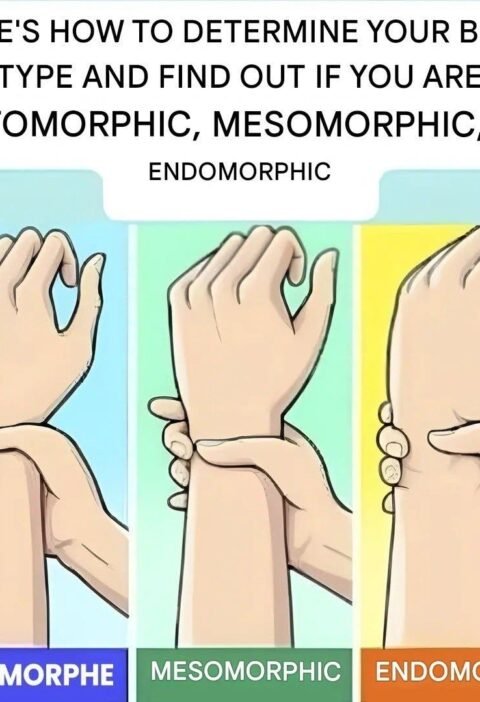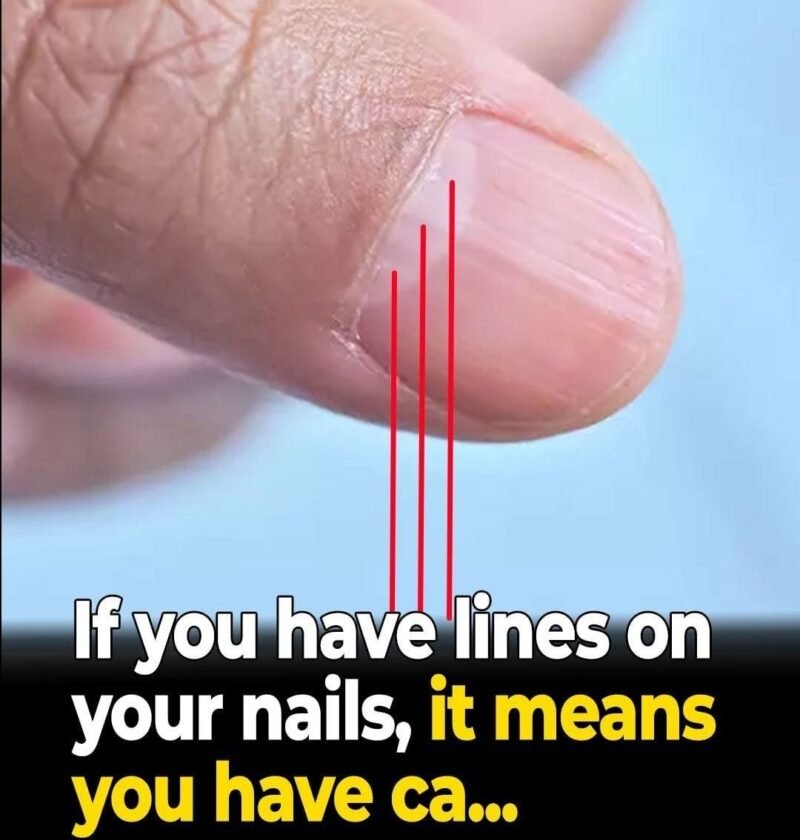
If this is a health-content headline, I’d make it more accurate and less sensational. There is no single fingernail sign that can reliably predict an individual’s life expectancy. Some nail changes can, however, provide clues about underlying health conditions.
A Fingernail Sign Doctors May Notice — and What It Could Mean
Your fingernails can sometimes reveal changes happening elsewhere in the body, but they aren’t a crystal ball for longevity.
One notable finding is nail clubbing—when the fingertips become enlarged and the nails curve more noticeably around the fingertips. Clubbing can occur with certain lung, heart, gastrointestinal, and other conditions.
Other nail changes can also have medical causes:
-
New horizontal grooves can sometimes appear after significant illness, injury, or physical stress.
-
Brittle or spoon-shaped nails may be associated with nutritional deficiencies or other conditions.
-
Persistent yellow, thickened nails can occur with fungal infections, although there are other possible causes.
-
A dark streak under a nail can have harmless causes, but a new or changing dark streak should be evaluated by a clinician because, in some cases, it can be a sign of melanoma.
What matters most
A nail change doesn’t tell you how long you will live. Its significance depends on the person’s age, medical history, medications, symptoms, and the appearance and progression of the nail change.
If you notice a new, persistent, or rapidly changing nail abnormality, particularly a dark streak or changes affecting only one nail, it’s