Sarcopenia: Causes of Muscle Loss and Solutions
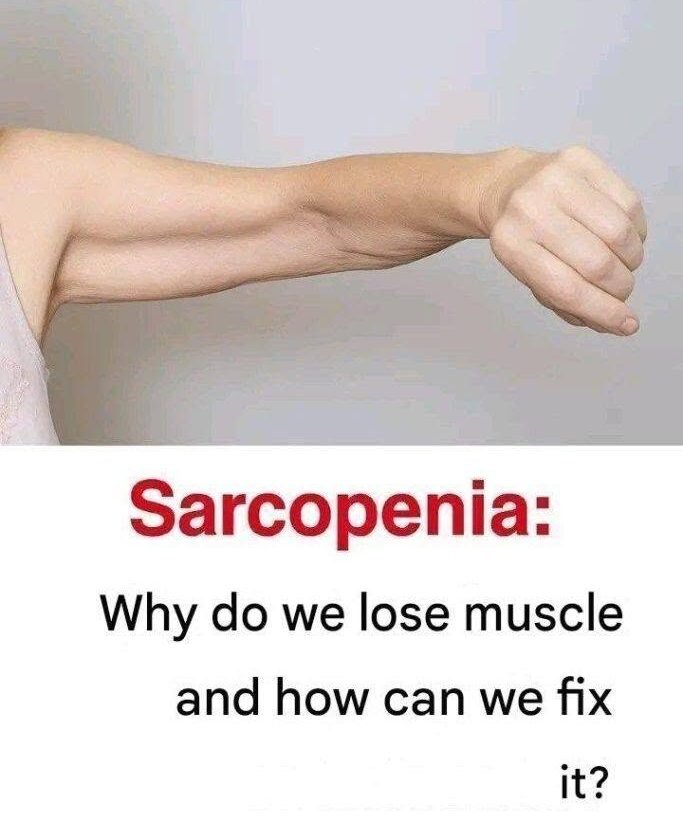
Sarcopenia is the progressive loss of muscle strength and muscle mass that can occur with aging. It can affect mobility, balance, independence, and fall risk—but muscle loss can often be slowed or improved.
Common causes and risk factors
-
Aging — the body’s ability to build and maintain muscle gradually declines.
-
Physical inactivity — prolonged sitting, bed rest, or a sedentary lifestyle accelerates muscle loss.
-
Not eating enough protein or calories — inadequate nutrition makes it harder to maintain muscle.
-
Chronic diseases — conditions affecting the heart, lungs, kidneys, liver, or metabolism can contribute.
-
Inflammation — chronic illness and persistent inflammation may increase muscle breakdown.
-
Hormonal changes — age-related changes in hormones can influence muscle maintenance.
-
Hospitalization or prolonged recovery — even relatively short periods of inactivity can cause noticeable weakness.
What can help?
🏋️ 1. Prioritize resistance exercise
Strength training is one of the most effective strategies. Exercises such as sit-to-stands, squats, resistance-band exercises, and weight training can help build strength.
Aim for regular sessions—often at least twice a week—while adjusting the intensity to your abilities.
🍳 2. Get enough protein
Include protein-rich foods throughout the day, such as:
-
Eggs
-
Fish and poultry
-
Milk, yogurt, and other dairy
-
Beans and lentils
-
Soy and other legumes
-
Nuts and seeds
People with kidney disease or certain other conditions may need individualized protein recommendations.
🚶 3. Keep moving
Walking, climbing stairs, and other daily activities complement strength training. Balance exercises can also help reduce fall risk.
😴 4. Prioritize recovery
Adequate sleep and recovery support physical performance and muscle maintenance.
🩺 5. Look for treatable causes
If muscle loss is rapid or accompanied by unintentional weight loss, persistent weakness, difficulty climbing stairs, or trouble getting out of a chair, speak with a healthcare professional. They can assess muscle strength and look for nutritional or medical causes.
The most important combination is resistance exercise + adequate nutrition + regular movement. Supplements alone generally can’t replace the benefits of training and adequate protein.