If You Think You’re Having a Heart Attack, Do This Immediately
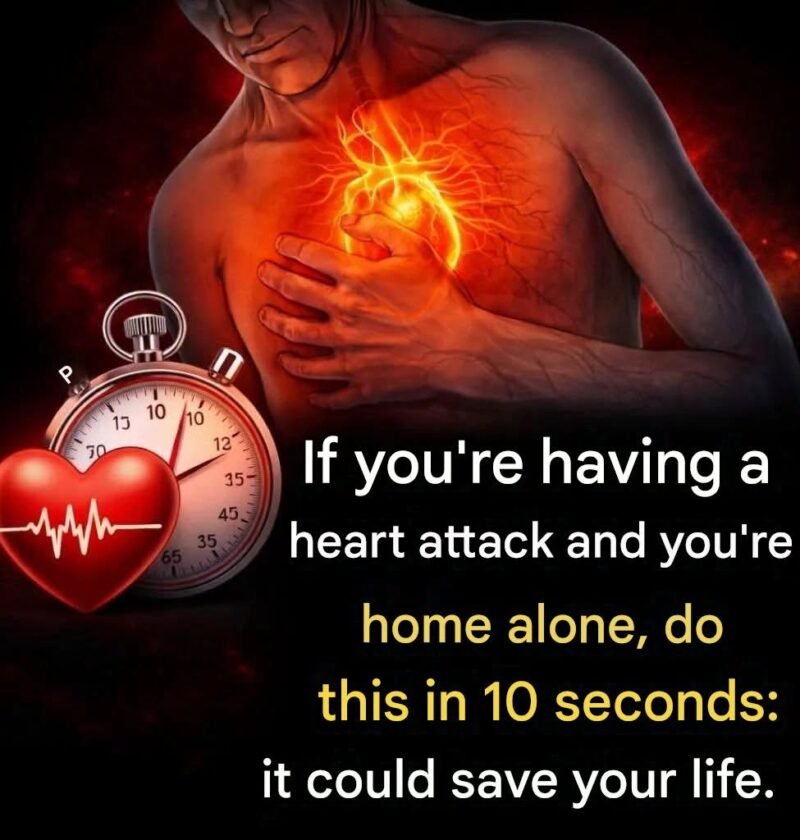
There is no 10-second trick that can stop a heart attack. Claims that coughing forcefully, drinking water, or performing a particular breathing technique can treat a heart attack are misleading and can delay lifesaving care.
If you suspect a heart attack:
-
Call your local emergency service immediately. Don’t wait for symptoms to disappear.
-
Stop physical activity and sit or lie somewhere safe.
-
If you’re alone, unlock the door and keep your phone with you so emergency responders can reach you quickly.
-
Take prescribed nitroglycerin only if it was prescribed to you and you’ve been instructed how to use it.
-
Ask the emergency dispatcher about aspirin. Aspirin may be appropriate for some people with suspected heart attack, but it isn’t safe for everyone—for example, people with an aspirin allergy or certain bleeding problems.
-
Don’t drive yourself to the hospital if emergency medical transport is available.
Recognize the symptoms
Heart-attack symptoms can include chest pressure, squeezing or discomfort; pain in the arm, back, neck, jaw, or upper abdomen; shortness of breath; cold sweating; nausea; or unusual weakness. Not everyone experiences severe chest pain.
If someone becomes unresponsive and isn’t breathing normally, call emergency services, begin CPR, and use an AED if one is available.
The most important “10-second” action is to recognize the possibility and call for emergency help. Every minute can matter.