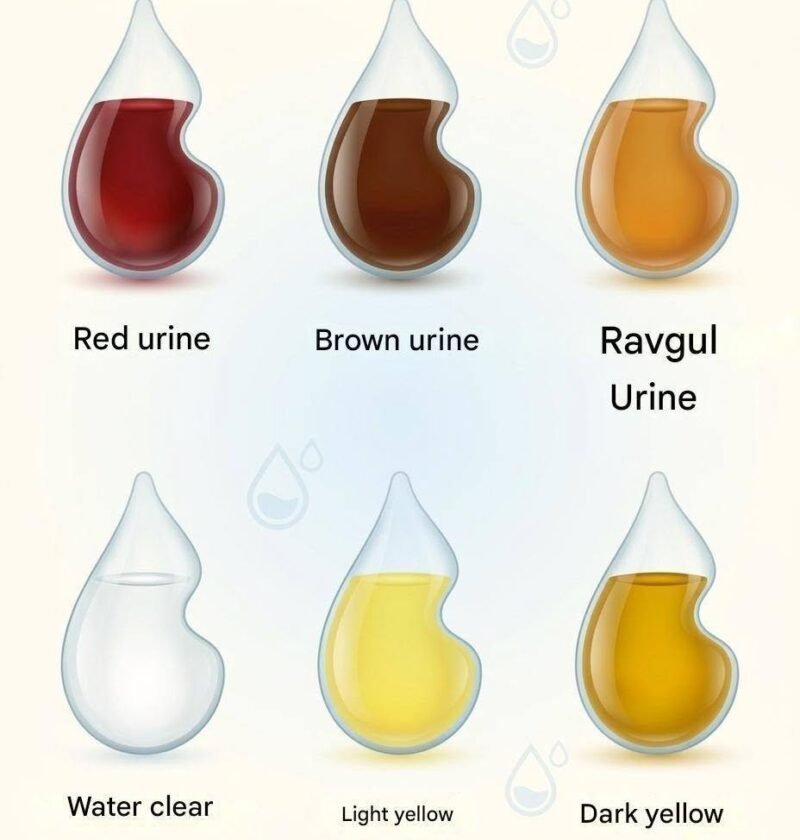
The color of your urine is a surprisingly informative window into your hydration levels, diet, medications, and overall internal health. Because urine is primarily water combined with waste products filtered out by your kidneys—most notably urochrome, a pigment that gives urine its characteristic yellow hue—shades can shift dramatically from day to day.
What Different Urine Colors Mean
Here is what various shades of urine typically indicate:
-
Transparent / Completely Clear
-
What it means: You are likely drinking too much water in a short period. While staying hydrated is great, overhydration can dilute essential electrolytes in your body.
-
-
Pale Yellow / Transparent Yellow
-
What it means: Ideal hydration. Your body has a healthy balance of fluids. You are well-hydrated without overdoing it.
-
-
Transparent Dark Yellow / Honey
-
What it means: You are starting to dehydrate. Your body is concentrating the urine to hold onto water. It’s time to drink a glass of water.
-
-
Amber / Dark Brown (like apple juice or beer)
-
What it means: Severe dehydration or potentially a liver issue. If drinking water doesn’t quickly return your urine to a pale yellow, dark amber urine can indicate a buildup of bilirubin, suggesting your liver or bile ducts may need medical evaluation.
-
-
Pink or Red
-
What it means: While this can be alarming, it is sometimes benignly caused by eating pigmented foods like beets, blackberries, or rhubarb. However, it can also signal the presence of blood in the urine (hematuria), which can stem from a urinary tract infection (UTI), kidney stones, or more serious urological conditions.
-
-
Orange
-
What it means: Usually caused by certain medications (such as the antibiotic rifampin), over-the-counter urinary pain relievers (phenazopyridine), or high doses of vitamin B-complex. It can also indicate mild dehydration or bile duct issues.
-
-
Blue or Green
-
What it means: Rare, but typically caused by specific food dyes, certain medications (like propofol or amitriptyline), or occasionally a rare genetic condition (familial benign hypercalcemia). In rare cases, a specific bacterial urinary tract infection can cause greenish urine.
-
-
Cloudy or Murky
-
What it means: Cloudy urine is a common sign of a urinary tract infection (UTI) due to white blood cells, bacteria, or crystals. It can also be caused by kidney stones or dehydration.
-
When to See a Doctor: While temporary shifts in urine color are usually tied to what you ate, drank, or took as medication, you should consult a healthcare provider if your urine is consistently red, brown, or cloudy—especially if accompanied by pain, burning during urination, fever, or lower back pain.