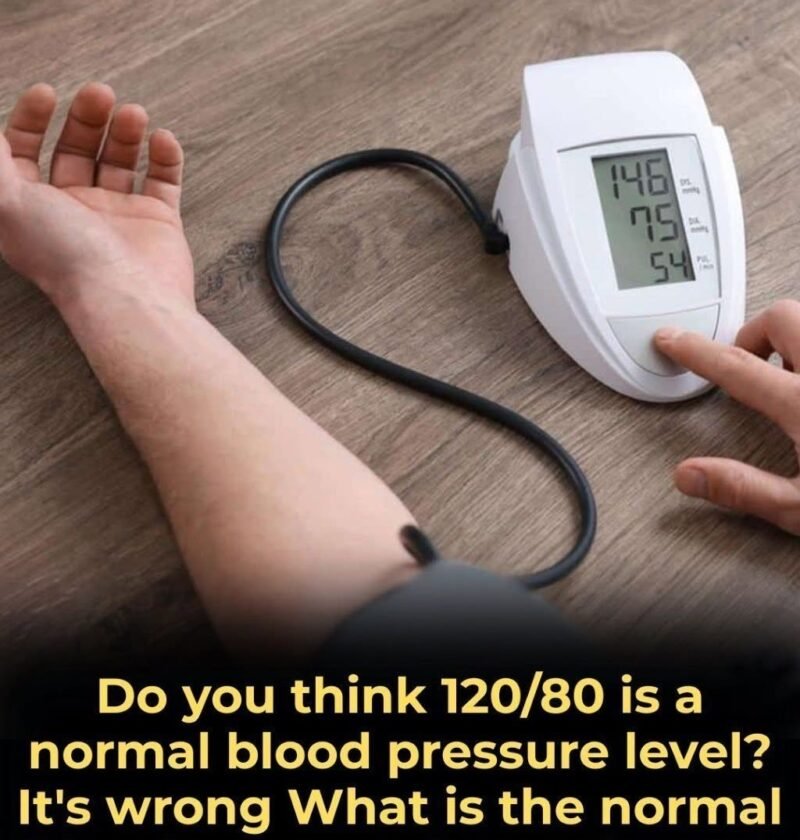
Understanding what constitutes “normal” blood pressure can be confusing because blood pressure naturally fluctuates throughout the day based on activity, stress, and age. While blood pressure guidelines do account for age-related changes in the cardiovascular system, medical standards define healthy ranges by specific categories rather than a single fixed number for every birthday.
General Blood Pressure Categories (Adults)
According to major cardiovascular health guidelines, blood pressure readings are generally categorized as follows:
| Category | Systolic (Top Number) | Diastolic (Bottom Number) | |
| Normal | Less than 120 mmHg | and | Less than 80 mmHg |
| Elevated | 120–129 mmHg | and | Less than 80 mmHg |
| Stage 1 Hypertension | 130–139 mmHg | or | 80–89 mmHg |
| Stage 2 Hypertension | 140 mmHg or higher | or | 90 mmHg or higher |
How Blood Pressure Changes with Age
As people age, blood vessels naturally become stiffer and less elastic (a process called arterial stiffening), which commonly causes the systolic pressure (the top number) to rise. Because of this, average blood pressure numbers tend to creep up over a lifetime:
-
Young Adults (18–39 years): Normal blood pressure is typically below 120/80 mmHg. Readings consistently in the elevated range during early adulthood warrant proactive lifestyle habits.
-
Middle-Aged Adults (40–59 years): It is common for systolic pressure to begin rising gradually due to arterial aging. Maintaining a healthy weight and staying active are vital during these years to prevent hypertension.
-
Older Adults (60+ years): While blood pressure targets can sometimes be individualized by a physician for older patients to prevent dizziness or fainting, a reading below 130/80 mmHg is still the general benchmark for optimal cardiovascular health. Isolated systolic hypertension (where the top number is high, but the bottom number is normal) is especially common in this age group.
The Takeaway: A single high reading doesn’t mean you have chronic high blood pressure, as stress, caffeine, and physical activity can temporarily spike numbers. However, if your readings are consistently above 130/80 mmHg over multiple checks, it is important to consult a healthcare provider for proper evaluation.