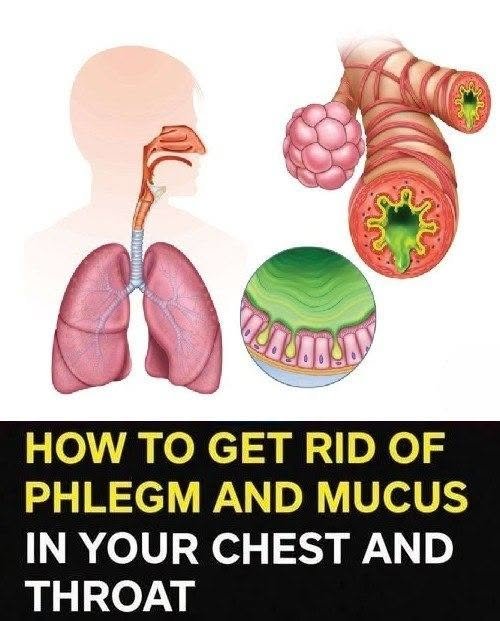
How to Get Rid of Phlegm and Mucus in Your Chest and Throat Naturally
Phlegm is mucus produced by your respiratory system to trap irritants and germs. When you have a cold, allergies, postnasal drip, asthma, or a respiratory infection, your body may produce more of it. Fortunately, several simple measures can help loosen mucus and make it easier to clear.
1. Drink plenty of fluids
Staying well hydrated can help keep mucus thinner and easier to cough up. Water is a good choice, while warm liquids such as herbal tea or warm water can also soothe an irritated throat.
2. Use warm, moist air
A clean humidifier can add moisture to the air and may ease throat and airway irritation. A warm shower can also feel soothing. Avoid very hot steam, which can cause burns.
3. Gargle with warm salt water
If mucus is collecting in your throat, gargling with warm salt water may reduce irritation and provide temporary relief. Spit it out rather than swallowing it.
4. Try honey for a cough
A spoonful of honey or honey mixed into a warm drink may soothe a cough and irritated throat. Never give honey to a child younger than 1 year.
5. Keep your head elevated
If mucus becomes worse when you’re lying down, raising your head while sleeping may make breathing more comfortable and reduce mucus draining into your throat.
6. Use saline for nasal mucus
When postnasal drip is contributing to throat mucus, saline nasal spray or a saline rinse can help clear nasal secretions. If you perform a nasal rinse, use distilled, sterile, or previously boiled and cooled water.
7. Avoid smoke and other irritants
Cigarette smoke, vaping, dust, and strong fumes can irritate your airways and increase mucus production. Avoiding these irritants can help your respiratory system recover.
8. Let yourself cough gently
Coughing is one of the body’s natural ways of clearing mucus from the airways. Try controlled, gentle coughing rather than repeatedly forcing harsh coughs, which can irritate the throat.
When should you see a doctor?
Contact a healthcare professional if your mucus or cough is persistent, repeatedly returns, or is accompanied by fever, wheezing, chest pain, or ongoing shortness of breath.
Seek urgent medical care for severe difficulty breathing, blue or gray lips, confusion, or significant amounts of blood in your phlegm.
Remember, the goal isn’t to eliminate all mucus. Mucus helps protect your airways; the goal is to loosen excess mucus and help your body clear it safely.