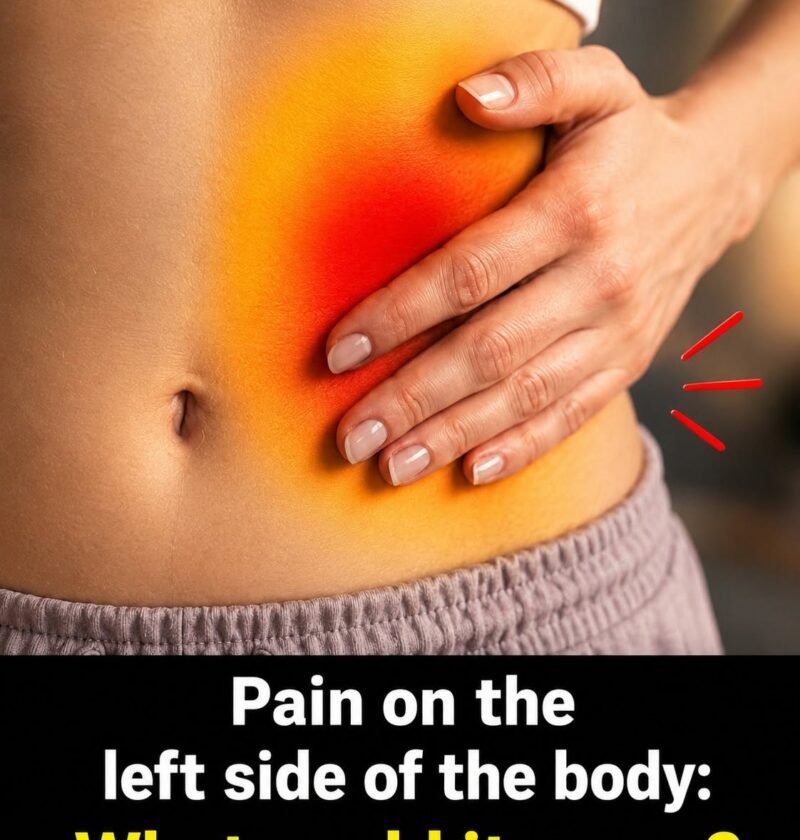
Pain on the left side of the body can stem from a wide variety of sources, ranging from harmless muscle stiffness to critical medical emergencies. Because several vital organs—including the heart, spleen, pancreas, left kidney, and portions of the colon—are housed on the left side, the underlying meaning depends heavily on the exact location and associated symptoms.
Common Causes by Region
-
Upper Left Chest and Rib Area:
-
Cardiac issues: Angina or a heart attack can manifest as pressure, tightness, or aching in the left chest that frequently radiates to the left arm, jaw, neck, or back.
-
Musculoskeletal strain: Costochondritis (inflammation of the cartilage connecting the ribs to the breastbone) or intercostal muscle strains cause sharp pain that typically worsens with deep breaths, twisting, or pressing on the area.
-
Spleen or lung conditions: An enlarged or injured spleen sits under the upper left ribs and can cause dull aching or fullness, while a pulmonary embolism or pleurisy can cause sharp, breathing-dependent pain.
-
-
Upper Left Abdomen:
-
Digestive and organ issues: Gastritis, stomach ulcers, pancreatitis, or trapped gas often create burning or sharp discomfort just beneath the ribcage.
-
-
Lower Left Abdomen and Flank:
-
Gastrointestinal and urinary tracts: Diverticulitis (inflammation of small pouches in the colon), severe constipation, or left kidney stones frequently cause sharp cramping, localized tenderness, or flank pain wrapping toward the back.
-
When to Seek Immediate Emergency Care
Never ignore left-sided pain if it is accompanied by any of the following red-flag symptoms, which require a call to emergency services or an immediate visit to the nearest emergency room:
-
Sudden pressure, squeezing, or crushing pain in the chest, particularly if it spreads to the left arm, shoulder, or jaw
-
Sudden shortness of breath, difficulty breathing, or wheezing
-
Dizziness, lightheadedness, cold sweats, or sudden fainting
-
Severe, rapidly worsening, or unbearable abdominal pain
-
High fever accompanied by persistent vomiting, blood in your stool, or blood in your urine
If your pain is mild, persistent, or keeps returning without emergency symptoms, schedule an appointment with your healthcare provider for a proper evaluation and diagnosis.
Are you experiencing any other symptoms along with this pain, or is it located in a specific spot?