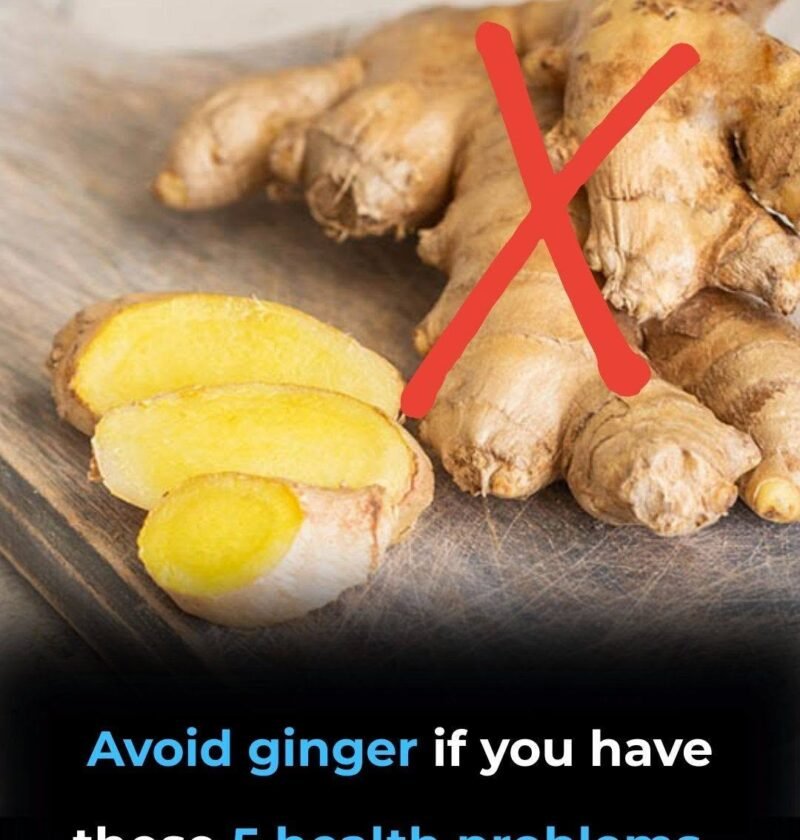
The claim “avoid ginger if you have these 5 conditions” is too broad. Ginger is generally safe in normal food amounts for most people, but concentrated ginger supplements or large amounts can matter for certain conditions and medications.
5 situations where caution makes sense
- Bleeding disorders or blood-thinning medication
High-dose ginger supplements may have antiplatelet effects and could potentially increase bleeding risk, particularly when combined with anticoagulants or antiplatelet drugs. Ask your doctor or pharmacist before using concentrated ginger supplements. - Gallstones
Ginger may stimulate bile flow. If you have known gallstones or biliary disease, discuss medicinal/high-dose ginger with your clinician rather than taking large amounts as a remedy. - Very low blood pressure
Ginger may have modest blood-pressure-lowering effects. If you already have low blood pressure or take blood-pressure medication, large supplemental doses could potentially worsen dizziness or light-headedness. - Diabetes or glucose-lowering medication
Ginger may modestly affect blood glucose. People taking diabetes medication should monitor their glucose and discuss concentrated supplements with their healthcare professional. - A sensitive stomach or significant reflux
Ginger can soothe nausea for some people, but larger amounts can cause heartburn, abdominal discomfort, or diarrhea in others.
Food vs. supplements matters
Putting some fresh ginger in cooking or tea is very different from taking a concentrated ginger extract or large-dose supplement. Most concerns involve the latter.
If you’re pregnant, having surgery soon, or taking medications such as warfarin, aspirin, clopidogrel, or diabetes/blood-pressure medicines, check with a healthcare professional before using high-dose ginger supplements.
Bottom line: You usually don’t need to completely eliminate ginger just because you have one of these conditions. The appropriate amount depends on your health and medications.