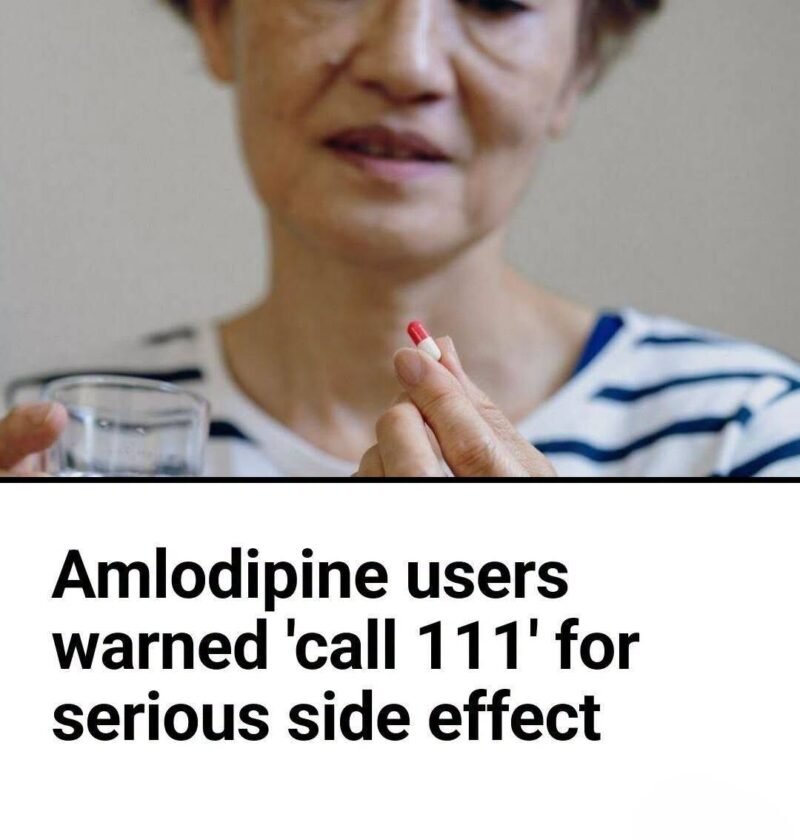
Yes—but the headline needs important context. NHS guidance lists several rare serious reactions to amlodipine, but most people take it without serious problems. nhs.uk
The serious reactions
- Severe allergic reaction (anaphylaxis): swelling of the throat or tongue, difficulty breathing, or a widespread itchy/raised rash. This is an emergency—call 999, not 111. nhs.uk+1
- Acute pancreatitis: sudden, severe abdominal pain that doesn’t go away. NHS advises urgent medical help. nhs.uk
- Severe skin reaction: blistering, painful sores, or peeling skin can indicate a serious reaction such as Stevens–Johnson syndrome. nhs.uk
Amlodipine can also commonly cause ankle/foot swelling, headache, dizziness, flushing, and palpitations. These aren’t usually emergencies, but persistent or troublesome symptoms should be discussed with a doctor or pharmacist. nhs.uk
What about “call 111”?
In the UK, NHS 111 is for urgent medical advice, while symptoms such as severe breathing difficulty, throat/tongue swelling, or a heart attack require 999. nhs.uk+1
And don’t stop amlodipine simply because you’ve seen this warning online. If you’re experiencing a suspected side effect, get appropriate medical advice before changing your medication.