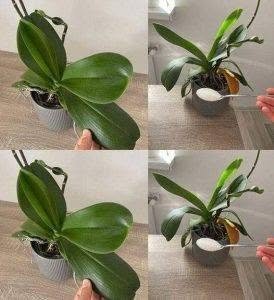
🌸 Orchids: “Just 1 Tablespoon” and They’ll Bloom Non-Stop?
You may have seen the viral gardening claim that one tablespoon of a household ingredient can make an orchid bloom continuously. The truth is that there is no magic ingredient that guarantees nonstop flowering.
For most common orchids, especially Phalaenopsis, consistent care matters much more than homemade fertilizer.
🌿 What actually helps an orchid bloom
1. ☀️ Give it bright, indirect light
Place the orchid somewhere bright but protected from intense direct afternoon sunlight. Insufficient light is a common reason an otherwise healthy orchid doesn’t flower.
2. 💧 Water correctly
Water thoroughly, then allow excess water to drain away. Don’t leave the roots sitting in stagnant water.
A good rule is to check the potting medium rather than watering on a rigid schedule.
3. 🌱 Use real orchid fertilizer
Choose a balanced fertilizer labeled for orchids and follow the manufacturer’s dilution and frequency instructions.
More fertilizer isn’t better. Excess salts can burn orchid roots.
4. 🌡️ Pay attention to temperature
For many Phalaenopsis orchids, a modest difference between daytime and nighttime temperatures can help encourage a new flower spike.
5. 🪴 Give the roots air
Orchids generally do best in a well-draining orchid medium, often based on bark, rather than ordinary garden soil.
🚫 Be careful with “one tablespoon” recipes
Recipes involving sugar, milk, rice water, baking soda, vinegar, or other kitchen ingredients aren’t substitutes for a properly formulated orchid fertilizer.
They may leave residues, encourage microbial growth, attract pests, alter the growing medium, or damage roots if used improperly.
🌺 The bottom line
There is no scientifically established one-tablespoon homemade fertilizer that makes orchids bloom nonstop. Healthy roots + appropriate light + correct watering + proper nutrition + patience are the real formula for reliable flowering.
And remember: even a healthy orchid naturally goes through periods without flowers. That’s normal—not a sign that you need a stronger fertilizer.