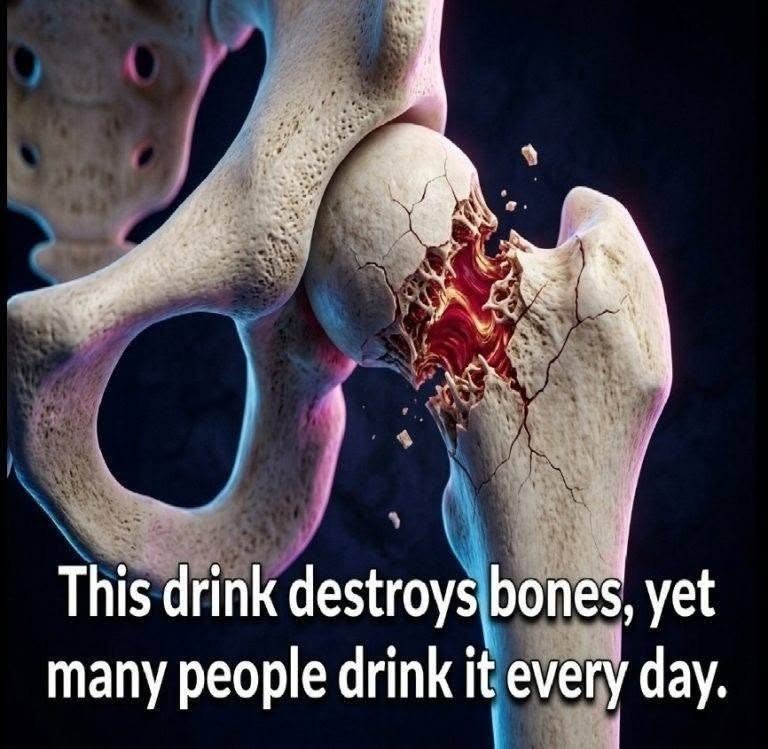
The claim that certain drinks “destroy your bones” is overstated. However, some beverages can contribute to poorer bone health—particularly when consumed frequently or when they replace calcium- and vitamin-D-rich foods and drinks.
🦴 5 drinks to limit for better bone health
- Cola and other sugary soft drinks
Frequent cola consumption has been associated with lower bone mineral density in some studies, particularly in women. The concern is not the carbonation itself; caffeine, phosphoric acid, and displacement of nutritious drinks may all play a role. The evidence doesn’t prove that soda directly causes osteoporosis. PubMed+1 - Heavy alcohol consumption
Excessive alcohol intake can interfere with bone formation and calcium balance and is associated with increased fracture risk. Bone Health & Osteoporosis Foundation+1 - Very high-caffeine coffee
Moderate coffee consumption isn’t something most people need to eliminate. However, high caffeine intake can increase calcium losses, particularly when dietary calcium is inadequate. Bone Health & Osteoporosis Foundation+1 - High-caffeine energy drinks
These can deliver large amounts of caffeine and often contain substantial amounts of sugar. Regularly consuming them instead of nutritious beverages isn’t a good strategy for maintaining bone health. Cleveland Clinic - Large amounts of sugary drinks
Sweetened sodas, sweetened fruit drinks and other sugar-heavy beverages can be associated with poorer bone-health measures. One concern is that they may displace foods and drinks that provide calcium and other nutrients. PubMed
What should you drink instead?
For bone health, prioritize water, milk or calcium-fortified alternatives, while getting adequate calcium, vitamin D and protein from your overall diet. Regular weight-bearing and resistance exercise are also important for maintaining bone strength. National Institute on Aging+1
And at 83, bone health deserves particular attention because preventing falls and fractures is just as important as maintaining bone density. If you have osteoporosis or have previously fractured a hip or other bone, it’s worth discussing a bone-health assessment with your doctor.
Sources