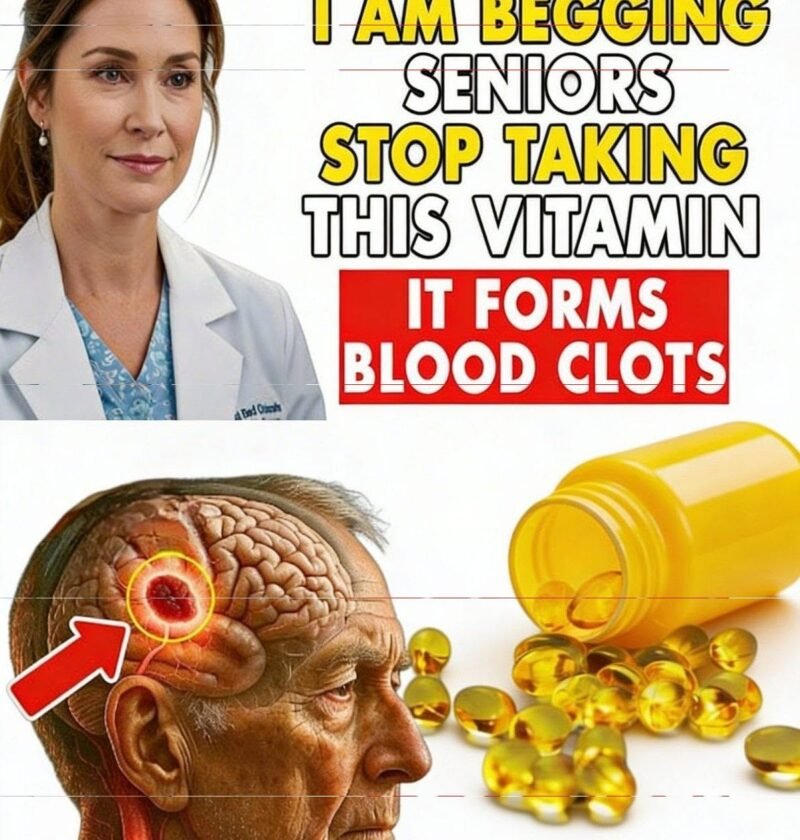
The vitamin most often associated with this “stroke risk” headline is vitamin E, but the claim needs important context.
A large meta-analysis of randomized trials found that vitamin E supplements were associated with about a 22% relative increase in hemorrhagic (bleeding) stroke, while ischemic stroke was reduced by about 10%. However, the absolute difference was small—about one additional hemorrhagic stroke per 1,250 people treated. BMJ+1
More recent evidence is mixed. A 2021 systematic review of 18 randomized trials found no significant effect of vitamin E on total stroke and concluded that evidence remained insufficient to establish a clear overall stroke effect. PubMed Another 2023 meta-analysis found that vitamin E alone did not reduce stroke and that combinations with other antioxidants showed a trade-off between ischemic and hemorrhagic stroke. PubMed
What this means for seniors
- Don’t assume vitamin E causes strokes. The concern mainly involves supplementation, not normal amounts of vitamin E obtained from foods.
- Don’t start or stop a vitamin supplement solely because of a social-media headline.
- If you’re taking high-dose vitamin E, particularly alongside blood-thinning or antiplatelet medication, discuss it with your doctor or pharmacist.
- Foods such as nuts, seeds, and vegetable oils provide vitamin E as part of a normal diet.
And importantly, there is no evidence that vitamin E suddenly raises your stroke risk “overnight.” Stroke risk develops through multiple factors, including blood pressure, atrial fibrillation, diabetes, cholesterol, smoking, and age.
Sources