🦴 The 5 Drinks That Can Be Hardest on Bone Health
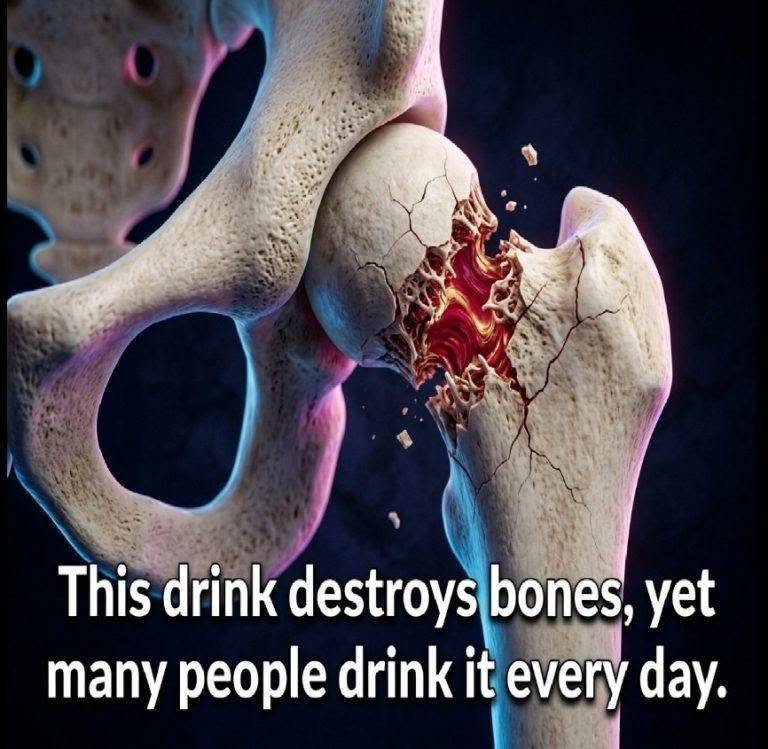
There isn’t a scientifically established list of five drinks that “destroy your bones.” The strongest evidence concerns heavy alcohol consumption and, to a lesser extent, frequent consumption of certain soft drinks. The overall quality of evidence varies. Bone Health & Osteoporosis Foundation+1
1. 🍺 Heavy alcohol consumption
Excessive alcohol intake is clearly associated with weaker bones and a higher risk of fractures. It can affect bone metabolism, nutrition, and fall risk. PubMed Central (PMC)+1
2. 🥤 Cola and cola-type soft drinks
Some studies have associated frequent cola consumption with lower bone mineral density, particularly in women. However, this doesn’t prove that cola directly “leaches calcium from your bones.” PubMed
3. 🧃 Sugar-sweetened beverages
Regularly drinking large amounts of sugary drinks has been associated with lower bone mineral density in research, although the relationship may involve overall diet and displacement of more nutritious beverages. PubMed
4. ☕ Very high-caffeine drinks
Caffeine can slightly reduce calcium absorption and increase calcium excretion in urine. Moderate caffeine intake generally isn’t considered a major threat to bone health, particularly when calcium intake is adequate. Bone Health & Osteoporosis Foundation+1
5. ⚡ Highly caffeinated energy drinks
These can combine high caffeine and substantial added sugar. They’re not proven to directly cause osteoporosis, but frequent consumption can make it harder to maintain a diet supportive of bone health, particularly if they replace calcium-rich beverages.
What should you drink instead?
For stronger bones, prioritize water, milk or calcium-fortified alternatives, and unsweetened beverages. Just as importantly, make sure you’re getting enough calcium and vitamin D and participate in weight-bearing/resistance exercise. The Bone Health & Osteoporosis Foundation recommends 1,200 mg of calcium daily for adults 50 and older. Bone Health & Osteoporosis Foundation
Bottom line: You don’t need to panic about an occasional soda or cup of coffee. The bigger concern is habitual heavy alcohol intake, large amounts of sugary/cola drinks, and excessive caffeine—especially when these replace nutritious foods and beverages.
Sources