🍌 If You’re Over 60, What Does Eating a Banana Every Day Actually Do?
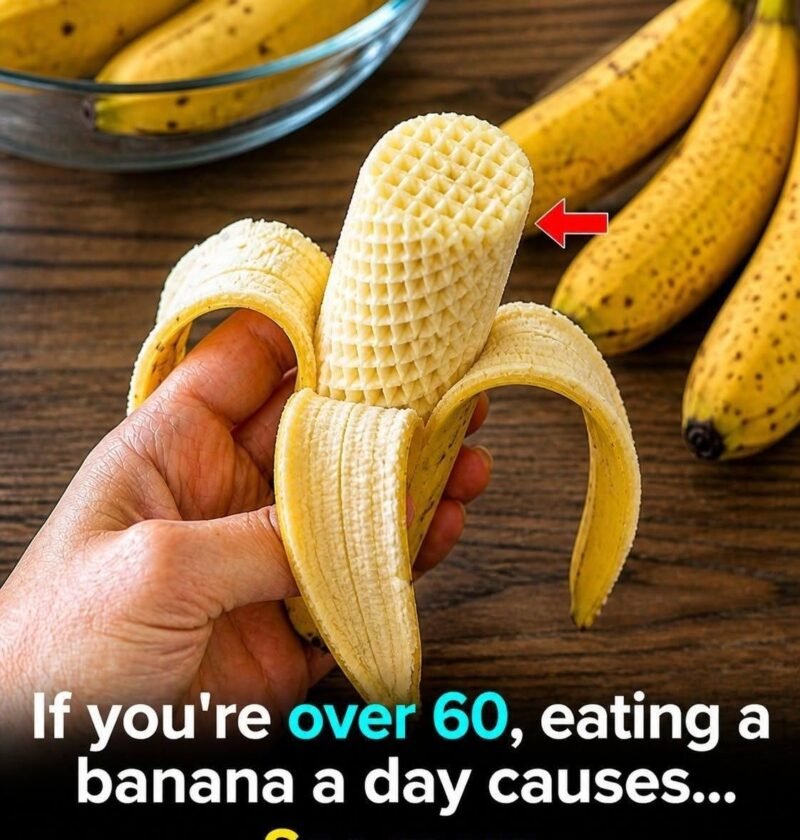
The claim that “eating one banana a day after 60 causes…” something dangerous is usually clickbait. For most older adults, a banana a day can easily fit into a healthy diet.
Potential benefits
- Potassium: Bananas provide potassium, an important mineral for normal muscle, nerve, and heart function.
- Fiber: They contribute to daily fiber intake and can support regular bowel movements.
- Carbohydrates: They provide readily available energy, which can be useful around physical activity.
- Vitamin B6: Bananas are a useful source of vitamin B6.
- Convenience: They’re inexpensive, portable, and require no preparation.
When you should be more careful
🍌 Kidney disease: People with significantly impaired kidney function may need to limit potassium. Don’t dramatically increase high-potassium foods without discussing your diet with your healthcare professional.
🍌 Diabetes: Bananas contain natural carbohydrates and can raise blood glucose. You don’t necessarily have to avoid them, but portion size and overall carbohydrate intake matter.
🍌 Medication interactions: Some medications affect potassium levels. If you’re taking medicines that can raise potassium, ask your doctor or pharmacist whether dietary changes are appropriate.
🍌 Digestive issues: A large banana may cause bloating or constipation in some people, while ripe bananas may be easier for others to tolerate.
So, is one banana a day bad after 60?
For most healthy people, no. There’s no special age-related rule that makes bananas harmful after 60. What matters is your overall diet and whether you have conditions such as kidney disease or diabetes.
And a banana isn’t a treatment for high blood pressure, cholesterol, diabetes, or other diseases—it is simply a nutritious fruit that can be part of a balanced diet.