🍤 That Dark Line on Your Shrimp: What It Is and Whether You Should Remove It
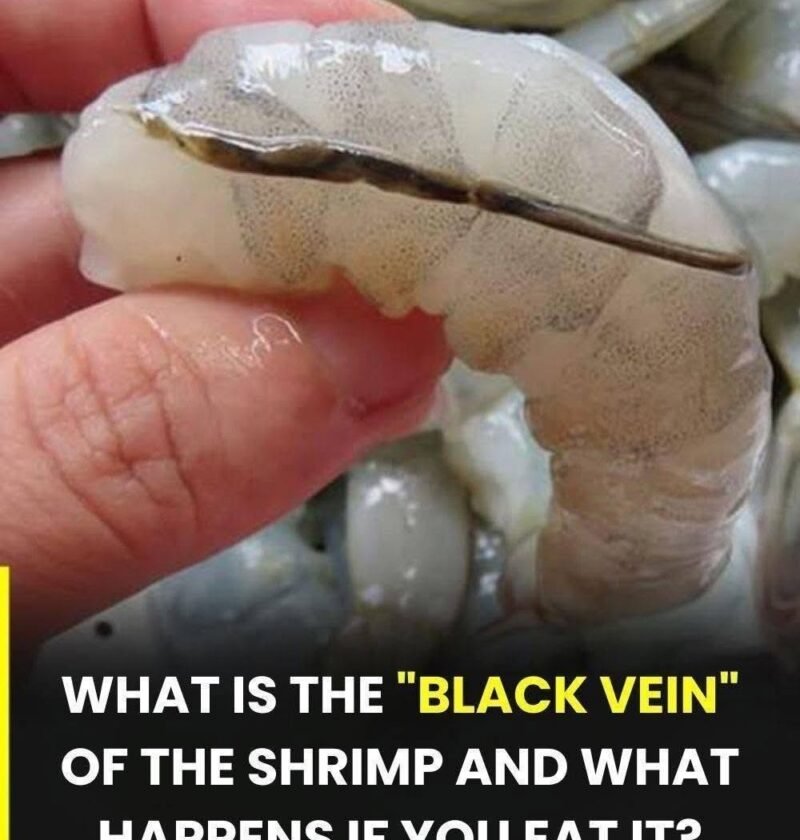
If you’ve ever peeled shrimp and noticed a dark line running along the back, don’t panic. It isn’t a vein.
It’s the shrimp’s digestive tract, often called the “vein” in cooking.
Is it safe to eat?
Usually, yes—provided the shrimp has been properly handled, stored, and cooked. The dark material may contain digestive contents, which can make it look unpleasant or give it a gritty texture, but the line itself isn’t automatically dangerous.
Why do some people remove it?
There are a few reasons:
- Appearance: Peeled and deveined shrimp look cleaner.
- Texture: Grit or sand can sometimes be present.
- Taste: Digestive contents can occasionally contribute an unpleasant flavor.
- Preference: Many recipes simply call for deveined shrimp.
How do you remove it?
After peeling the shrimp, make a shallow slit along the back with a small knife. Use the tip of the knife to lift out the dark tract, then rinse the shrimp if necessary.
You may also see a dark line along the underside of the shrimp. That’s associated with the shrimp’s nervous system and generally isn’t something you need to remove.
What matters more than deveining?
Food safety. Keep raw shrimp refrigerated, avoid cross-contamination with ready-to-eat foods, and cook shrimp thoroughly until the flesh is firm and pearly/opaque.
Also, don’t rely on the color of the digestive tract to determine whether shrimp are safe. Proper handling and cooking are much more important.
Bottom line
That dark line is the shrimp’s digestive tract—not a vein. Removing it is mainly a matter of appearance, texture, and personal preference. If your shrimp are properly handled and cooked, eating deveined or undeveined shrimp is generally fine.