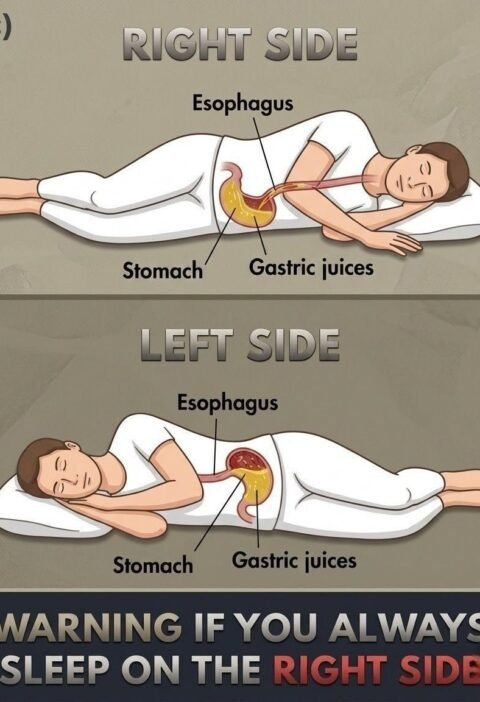
Posts teasing “90 percent get this wrong” are pure engagement-bait—designed to trigger your curiosity or pride so you click, comment, or share, whether the actual content is a basic math order-of-operations trick, a grammar riddle, a driving rule, or an oversimplified health/science “gotcha.”
How to Spot & Fact-Check “90% Get This Wrong” Clickbait
-
The Percentage Is Made Up: Viral creators rarely cite an actual test or survey—numbers like “90%”, “95%”, or “Only 1% pass” are invented hooks to make a routine question feel like an exclusive IQ test.
-
Deliberate Ambiguity: Many viral “puzzles” (especially math expressions like
8 ÷ 2(2+2)or cropped photos) rely on ambiguous notation, missing context, or misleading framing so viewers argue in the comments—which boosts the post in social feeds. -
False Dichotomies in Health & Science: When applied to health, nutrition, or household tips, “90% get this wrong” usually sets up a strawman myth just to sell a supplement, gadget, or extreme rule.
If you drop the actual question, riddle, or claim from the post here, I can verify the real answer and show whether it’s genuinely tricky or just clickbait.