8 Daily Habits to Stop for Smoother Blood Pressure Control
-
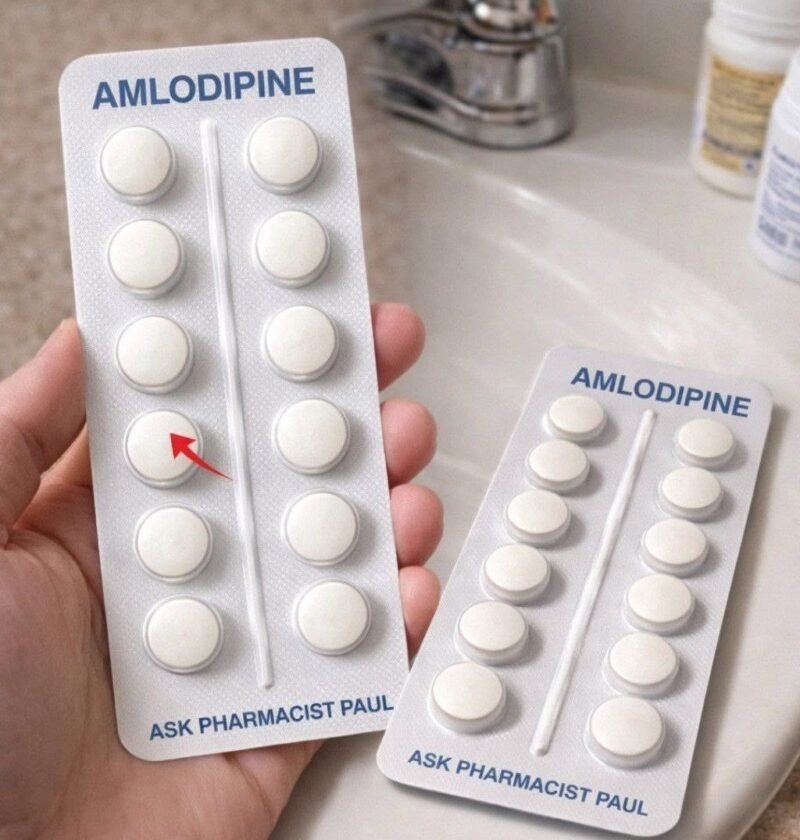
Taking Amlodipine Irregularly or Doubling Up After a Missed Dose: Because amlodipine builds up gradually for steady 24-hour coverage, skipping doses creates fluctuations in pressure, while taking a double dose at once can trigger an excessive drop in blood pressure or flushing. Take it at roughly the same time each day, and follow your pharmacist’s or doctor’s exact missed-dose instructions.
-
Checking Your Blood Pressure Right After Coffee, Exercise, or Stress: Taking a reading within 30 minutes of caffeine, exertion, a full bladder, or rushing in can produce artificially high numbers that tempt people to worry or alter doses. Sit quietly for 5 minutes beforehand with your back supported, feet flat, and arm resting at heart level.
-
Standing Up Rapidly From Bed or a Chair: Because amlodipine widens arteries and lowers vascular resistance, jumping up quickly—especially first thing in the morning, after a warm bath, or when slightly dehydrated—can cause a temporary drop in blood pressure (orthostatic hypotension), leading to lightheadedness or dizziness. Pause for a moment at the edge of the bed before standing.
-
Ignoring Ankle or Foot Swelling Without Checking Context: Mild peripheral edema (swelling around the ankles or lower legs) is one of amlodipine’s classic dose-related effects because arteries dilate more than veins, raising capillary pressure. Letting it go unmentioned for months—or sitting motionless for long stretches—can make it more bothersome, and sudden or one-sided swelling needs medical evaluation.
-
Reaching Automatically for Over-the-Counter Pain Relievers or Cold Remedies: Habitually popping NSAIDs (like ibuprofen or naproxen) for aches or oral decongestants for stuffiness can push blood pressure back up or strain kidneys over time. Ask a pharmacist or doctor about safer alternatives for your specific situation.
-
Relying on Salty “Quick” Meals and Packaged Condiments: Even if you don’t add table salt at the stove, routine reliance on processed snacks, cured meats, bouillon/stock cubes, soy sauce, or restaurant gravies keeps sodium high and encourages fluid retention that works against blood pressure control.
-
Letting Chronic Sleep Loss or Unmanaged Stress Drift: Short or fragmented sleep and ongoing stress keep sympathetic nervous system activity and stress hormones elevated, making blood pressure harder to bring down smoothly even when your medication schedule is consistent.
-
Skipping Routine Check-Ins or Home Blood Pressure Logs: Blood pressure often feels completely normal even when it isn’t well-controlled, and side effects like ankle swelling or mild fatigue can be subtle. Tracking a few clean readings a week and sharing them at checkups helps your clinician fine-tune your dose safely.
Quick Habit Reset: What to Do Instead
| Habit to Drop | Why It Gets in the Way | Better Everyday Swap |
| Erratic timing or double-dosing | Causes pressure swings or sharper drops in BP | Anchor your dose to a daily routine (like breakfast or brushing teeth) |
| Rushed BP checks | Leads to inflated, stressful readings | Rest 5 minutes first with arm supported at heart level |
| Standing up abruptly | Can trigger brief dizziness or lightheadedness | Sit at the edge of the bed or chair for 20–30 seconds first |
| Sitting still with swelling | Pools fluid in lower legs and masks issues | Walk briefly, elevate legs when resting, and tell your doctor if persistent |