The Catch: Fatty Liver Usually Has Zero Symptoms Early On
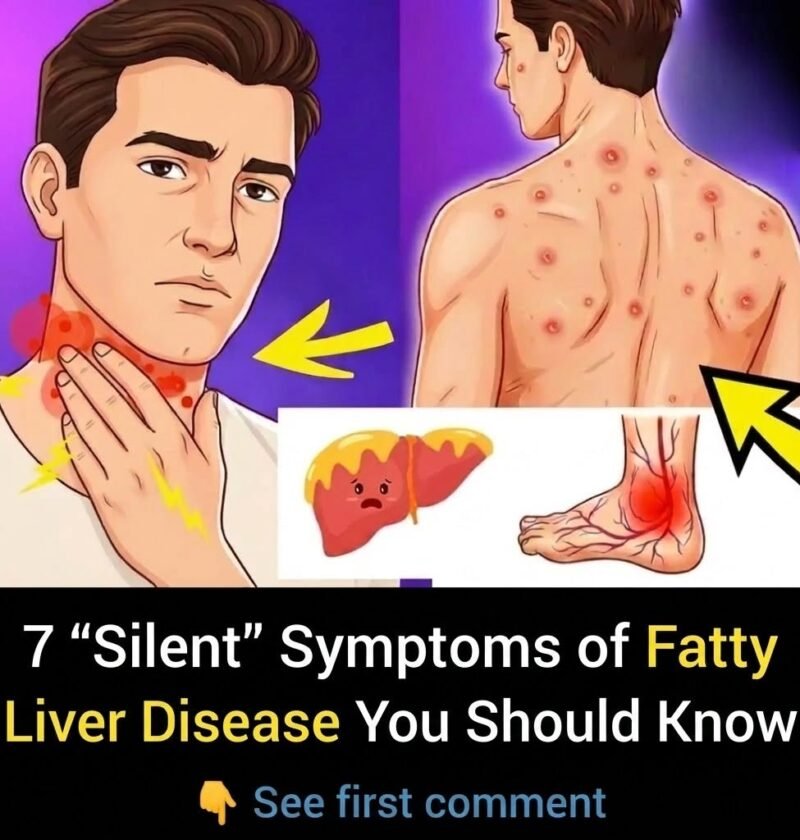
7 Subtle Signs Often Listed (and What They Actually Mean)
-
Persistent, unexplained fatigue: Feeling unusually worn out or sluggish even after adequate sleep, caused partly by metabolic strain and low-grade inflammation.
-
Dull ache or fullness in the upper-right abdomen: Mild discomfort just below the right rib cage when the liver becomes enlarged and stretches its outer capsule.
-
Unexplained weight gain around the midsection: Carrying excess visceral belly fat is closely tied to insulin resistance, the primary driver of metabolic fatty liver.
-
Difficulty concentrating (“brain fog”): Mild trouble focusing or mental sluggishness, which is nonspecific on its own unless liver disease is advanced.
-
Darkened skin patches (acanthosis nigricans): Velvety, darker skin around the neck, armpits, or knuckles—a sign of insulin resistance, which strongly correlates with fatty liver.
-
Loss of appetite or mild nausea: Occasional queasiness or feeling full quickly, more common when liver inflammation worsens.
-
Swelling in the legs or abdomen (or yellowing eyes/skin): Fluid retention (edema or ascites) and jaundice are late-stage warning signs of advanced liver scarring (cirrhosis), not early “silent” clues.
How Doctors Actually Detect Fatty Liver
-
Blood tests: Liver enzymes (ALT and AST), though enzymes can still be normal even when fat is present.
-
Imaging: An abdominal ultrasound or FibroScan () to assess fat buildup and stiffness.