7 Nighttime Symptoms That May Be Associated With Diabetes
Nighttime symptoms cannot diagnose diabetes by themselves, but certain recurring symptoms can be reasons to have your blood glucose checked.
-
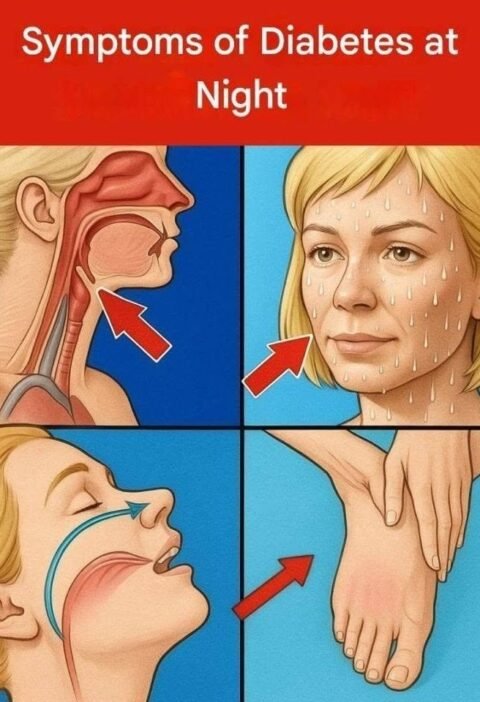
Frequent nighttime urination — High blood glucose can cause the kidneys to excrete more glucose and water, increasing urination.
-
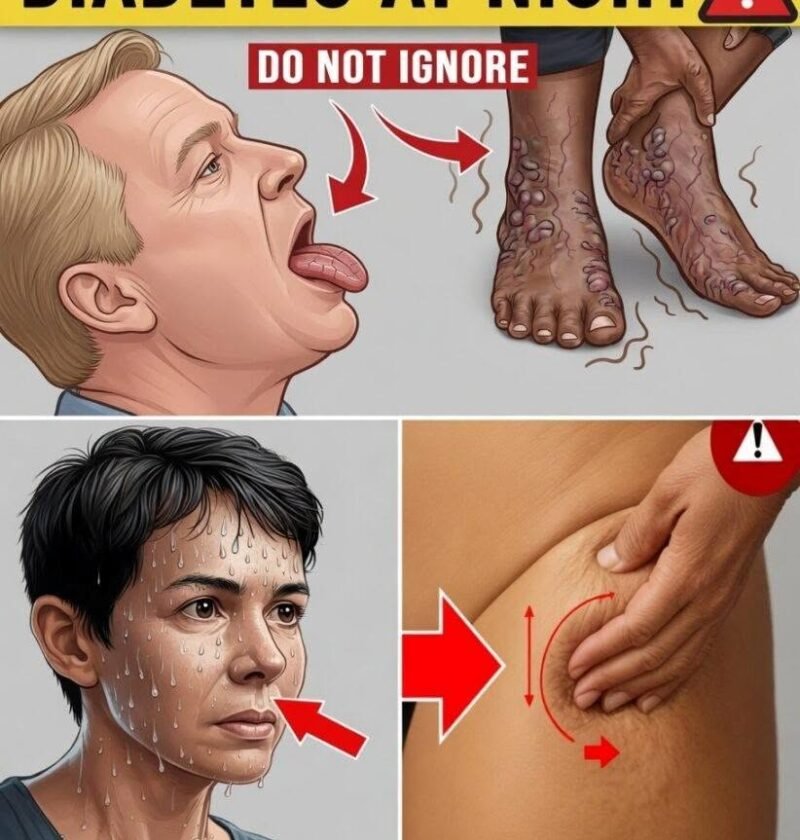
Strong thirst or dry mouth — Increased urination can lead to fluid loss and persistent thirst.
-
Night sweats or shakiness — In someone taking insulin or certain diabetes medications, these can be signs of low blood sugar (hypoglycemia).
-
Tingling, burning, or numb feet — High blood glucose over time can damage nerves, producing symptoms that may be particularly noticeable at night.
-
Leg cramps or unusual discomfort — These have many possible causes, but persistent symptoms deserve evaluation rather than automatically being attributed to diabetes.
-
Itching or very dry skin — Diabetes can be associated with dry, itchy skin, although many other skin conditions can cause it.
-
Poor sleep or repeated waking — Frequent urination, thirst, neuropathy, or episodes of low blood sugar can interfere with sleep.
When should you get tested?
If several of these symptoms are happening repeatedly—especially increased thirst, frequent urination, unexplained weight loss, fatigue, or blurred vision—ask a healthcare professional about a fasting blood glucose and/or HbA1c test.
If you have diabetes and experience confusion, loss of consciousness, severe weakness, or difficulty waking, treat it as an emergency, particularly if low blood sugar is possible.