Showing 5,158 Result(s)
Blog

7 medications that cause severe dementia and profound brain damage

“7 Medications That Cause Severe Dementia and Profound Brain Damage” — What’s the truth? That headline is far too strong. There isn’t a proven list of seven medications that simply “cause severe dementia and profound brain damage.” However, some medicines can impair memory, thinking, alertness, or balance, particularly in older adults, and some long-term observational …
Blog

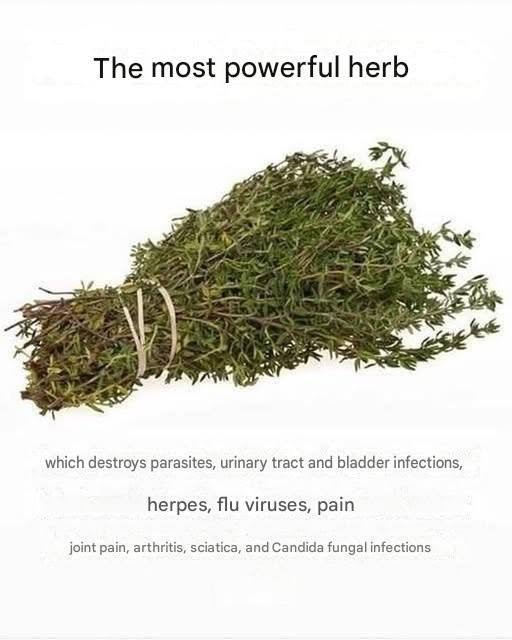
THE MOST POWERFUL HERB THAT DESTROYS PARASITES, URINARY TRACT AND BLADDER INFECTIONS, HERPES AND FLU VIRUSES

“THE MOST POWERFUL HERB…” — What’s the truth? This type of headline is misleading. There is no herb proven to “destroy” parasites, urinary-tract/bladder infections, herpes, and flu viruses in people. The herb most commonly promoted with claims like these is oregano, particularly oregano oil. Oregano compounds such as carvacrol and thymol have antimicrobial and antiparasitic …

Blog

10 Warning Signs You’re Eating Too Much Sugar

10 Warning Signs You May Be Eating Too Much Sugar Eating sugar occasionally isn’t a problem for most people. The bigger concern is consistently consuming too much added sugar, particularly from sugary drinks, sweets, desserts and highly processed foods. High intake is associated with weight gain, type 2 diabetes, cardiovascular risk and tooth decay. 1. …

Blog

As a BRAIN Doctor, I’m SHOCKED THIS Vitamin Raises Stroke Risk Overnight Senior Health

“As a BRAIN Doctor, I’m SHOCKED…” — What’s the truth? If this headline is referring to vitamin E, there is a real scientific concern behind it—but the headline dramatically overstates the evidence. A large meta-analysis of randomized trials found that vitamin E supplementation was associated with about a 22% higher relative risk of hemorrhagic (bleeding) …

Blog

5 signs that an elderly person may be in their last year of life. Subtle wa:rnings you shouldn’t ignore! Check 1st comment

If you’re referring to that claim, it’s important not to treat these as reliable signs that someone has exactly one year left. There’s no fixed set of subtle symptoms that can predict a person’s remaining lifespan. In an elderly person, changes that can occur as someone approaches the final months or weeks of life may …