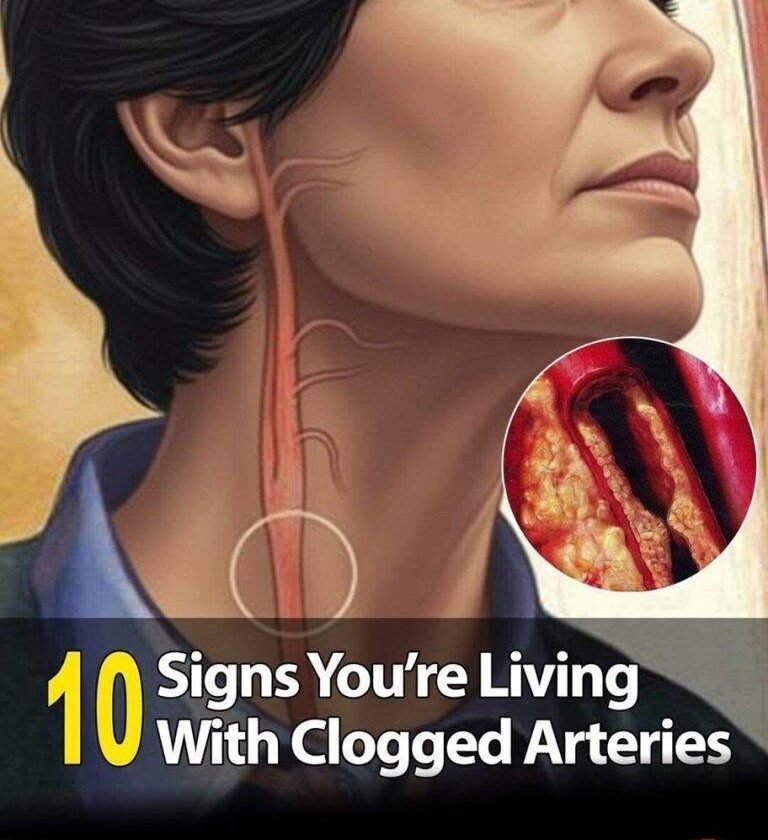
10 Possible Warning Signs of Blocked Arteries You Shouldn’t Ignore
Atherosclerosis—the buildup of plaque inside arteries—can develop gradually for years without obvious symptoms. When blood flow becomes significantly restricted, however, the symptoms depend on which arteries are affected.
These signs don’t prove that an artery is blocked, but they deserve medical attention when they’re new, persistent, or unexplained.
1. 🫀 Chest pressure or discomfort
Pressure, squeezing, heaviness, or tightness in the chest—especially during physical activity—can be a sign of reduced blood flow to the heart.
2. 🏃 Leg pain when walking
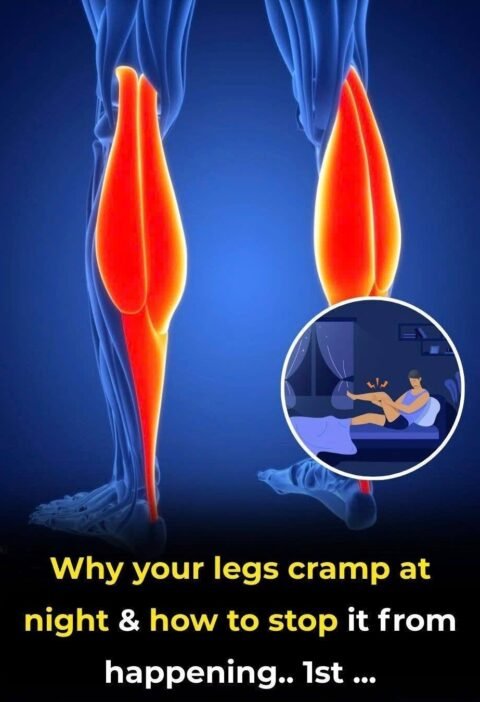
Pain, cramping, or aching in the calf, thigh, or buttock that repeatedly appears during walking and improves with rest can occur with peripheral artery disease (PAD).
3. 🦶 Coldness in a foot or leg
One foot or leg that consistently feels colder than the other can sometimes indicate reduced arterial blood flow.
4. 🎨 Changes in skin color
Pale, bluish, or unusually discolored skin on a leg or foot can be associated with circulation problems.
5. 🩹 Wounds that heal slowly
Poor blood flow can make it harder for wounds on the feet or legs to heal normally.
6. 🦵 Numbness or weakness
Reduced circulation to a limb can sometimes cause numbness, weakness, or unusual sensations.
7. 💪 Leg or foot pain at rest
More advanced peripheral artery disease can cause pain even when you’re resting, sometimes becoming worse when lying down.
8. 🧠 Sudden weakness or numbness
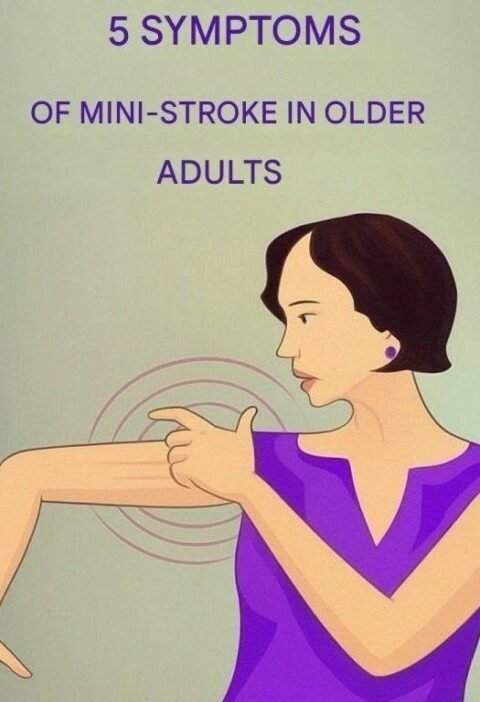
A sudden loss of strength or sensation—especially on one side of the body—can indicate a stroke or TIA caused by problems with blood flow to the brain.
9. 👁️ Sudden vision changes
Sudden loss or significant disturbance of vision can sometimes occur when blood flow to the eye or brain is interrupted.
10. 😮💨 Shortness of breath or unusual fatigue
These can accompany heart problems, particularly when they occur with exertion. They have many possible causes and shouldn’t automatically be blamed on blocked arteries.
🚨 Don’t wait for a “perfect” list of symptoms
Atherosclerosis can be silent. High blood pressure, high cholesterol, diabetes, smoking, obesity, and a family history of cardiovascular disease can increase risk even when you feel perfectly well.