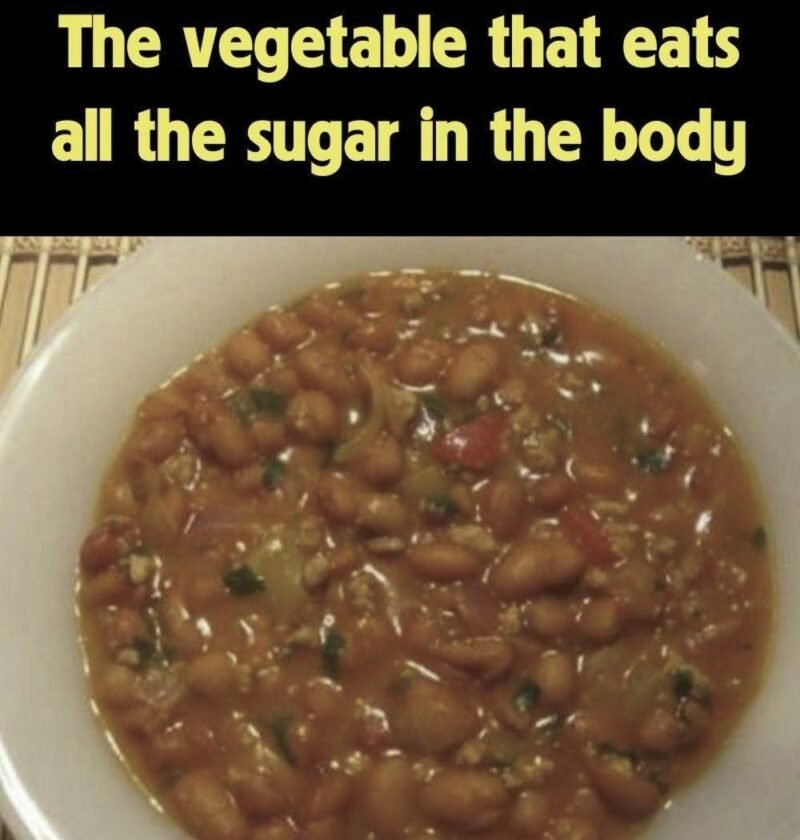
No single food acts like insulin to drop high blood sugar on the spot, but eating foods rich in soluble fiber, lean protein, healthy fats, and polyphenols slows carbohydrate digestion and blunts post-meal glucose spikes. Replacing refined carbs with these foods helps flatten your daily blood sugar curve and improves long-term insulin sensitivity.
Top 12 Foods That Support Lower Blood Sugar
| Food | How It Helps Blood Sugar | Easy Ways to Eat It |
| 1. Lentils & Chickpeas (Daal, Chana) | Packed with soluble fiber and plant protein, giving them a very low glycemic index that slows glucose absorption into the bloodstream. | Swap white rice portions for daal, roasted chickpeas, or black bean salads. |
| 2. Leafy Greens (Spinach, Kale, Methi) | Extremely low in digestible carbs while supplying magnesium and antioxidants linked to better insulin sensitivity. | Sauté spinach or fenugreek leaves (methi) with garlic as a base for meals. |
| 3. Oats & Barley (Whole / Steel-Cut) | Rich in beta-glucan, a gel-forming soluble fiber that slows stomach emptying and moderates after-meal blood sugar rises. | Choose steel-cut or rolled oats over instant packets; top with nuts instead of sugar. |
| 4. Chia Seeds & Flaxseeds | High in viscous fiber and omega-3 fats; absorbing liquid in the gut forms a gel that slows sugar breakdown. | Stir 1–2 tablespoons into yogurt, oats, or smoothies. |
| 5. Nuts (Almonds, Walnuts, Pistachios) | Healthy unsaturated fats, protein, and fiber help curb post-meal glucose spikes when eaten alongside carbohydrate-rich foods. | Eat a small handful (1 oz) as a snack or sprinkle chopped nuts over fruit. |
| 6. Fatty Fish (Salmon, Sardines, Mackerel) | High-quality protein and omega-3s contain zero carbohydrates, promote fullness, and reduce vascular inflammation tied to insulin resistance. | Grill or bake 2 servings per week with non-starchy vegetables. |
| 7. Greek Yogurt (Plain, Unsweetened) | High protein and probiotics support gut health and produce a much gentler glucose response than sweetened dairy. | Pair plain Greek yogurt with berries and cinnamon instead of flavored varieties. |
| 8. Berries (Blueberries, Strawberries, Raspberries) | Lower in natural sugar than tropical fruits and rich in anthocyanins (plant compounds that improve insulin signaling) plus fiber. | Add a cup to breakfast or eat as a naturally sweet dessert. |
| 9. Broccoli & Cruciferous Vegetables | Low-calorie, high-fiber vegetables containing sulforaphane, a compound studied for supporting healthier fasting blood glucose. | Roast or steam broccoli, cauliflower, or cabbage as half of your dinner plate. |
| 10. Avocados | Rich in monounsaturated fats and fiber with minimal net carbs, helping stabilize blood sugar after meals. | Slice onto whole-grain toast, eggs, or salads. |
| 11. Eggs | Zero-carb, complete protein that slows gastric emptying and prevents mid-morning blood sugar swings. | Eat boiled, poached, or scrambled with vegetables for breakfast. |
| 12. Fenugreek Seeds (Methi Dana) & Cinnamon | Fenugreek seeds provide soluble fiber that slows carb digestion; cinnamon polyphenols may modestly support insulin sensitivity. | Soak 1 tsp fenugreek seeds overnight or sprinkle Ceylon cinnamon on oats and coffee. |
3 Eating Habits That Multiply the Effect
-
Change your food order (“fiber & protein first”): Eating non-starchy vegetables and protein 10–15 minutes before rice, bread, or potatoes can significantly reduce the post-meal glucose peak.
-
Never eat “naked” carbs: Pair fruit, bread, or crackers with protein or fat (such as apple slices with almond butter, or roti with daal and yogurt) to slow sugar absorption.
-
Take a 10-minute walk after meals: Light walking right after eating lets your leg muscles pull glucose directly out of your bloodstream without needing extra insulin.
Note: If you take insulin or blood-sugar-lowering medications (like sulfonylureas), major dietary shifts can occasionally cause low blood sugar (hypoglycemia)—monitor your readings and coordinate changes with your doctor.