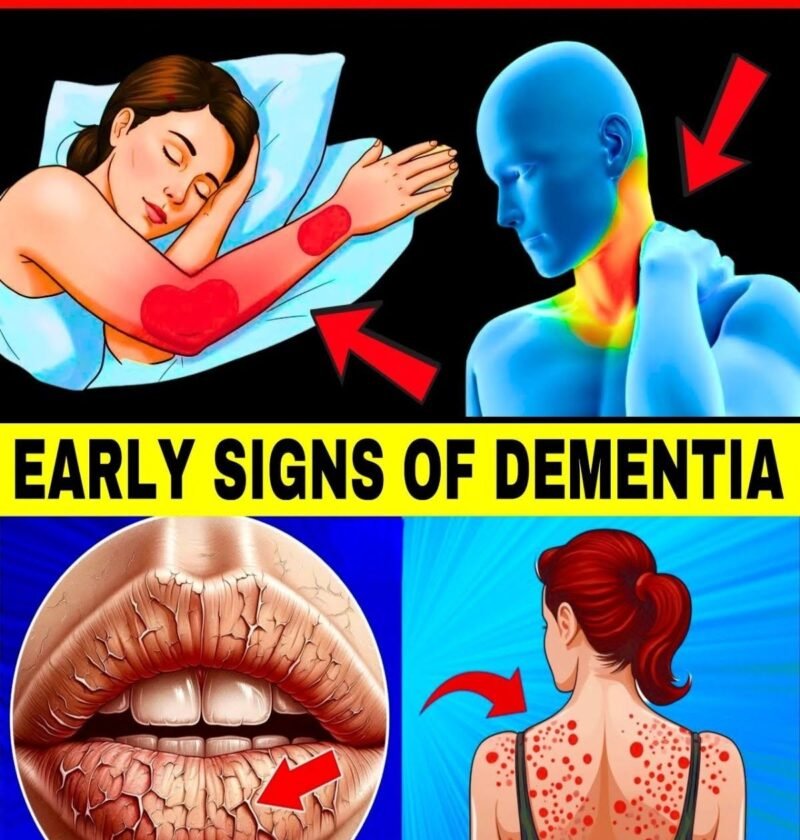
10 early signs of dementia you should know
Frequently forgetting recent conversations, repeating questions, or forgetting important events and appointments.
Struggling with familiar tasks such as paying bills, managing finances, or following a well-known recipe.
Finding it increasingly difficult to use familiar appliances, shop independently, or follow a regular daily routine.
Losing track of dates, forgetting where they are going, or becoming lost in a familiar neighborhood.
Having new trouble judging steps, navigating familiar spaces, or understanding visual information. Eye problems can also cause these difficulties.
Frequently losing track of conversations, struggling to name familiar objects, or repeating the same story without realizing it.
Putting things in unusual places and being unable to retrace steps to find them.
Making unusual financial decisions, falling for scams, or neglecting personal safety in ways that are out of character.
Losing interest in hobbies, avoiding friends, or finding it difficult to follow conversations or favorite activities.
Developing unusual anxiety, irritability, suspicion, confusion, or changes in behavior that persist over time.
These warning signs are consistent with guidance from the CDC and Alzheimer’s Association. Having one or more does not automatically mean someone has dementia.
Is it dementia or normal aging?
-
More typical of normal aging: Occasionally forgetting a name or misplacing keys but remembering later and continuing everyday activities independently.
-
More concerning: Repeatedly forgetting important information, getting lost in familiar places, or struggling with tasks that were previously routine.
-
Potentially treatable causes: Depression, sleep disorders, medication side effects, vitamin B12 deficiency, thyroid problems, and certain illnesses can affect memory and thinking. A medical assessment can help distinguish these from dementia.NHS+1
When should you seek medical help?
Arrange a medical appointment if memory or thinking changes persist, worsen, or interfere with daily life. Early assessment can help identify the cause and provide access to appropriate treatment and support.
Important: Sudden confusion, facial drooping, one-sided weakness, or difficulty speaking is not typical gradual dementia. These may be signs of a stroke and require emergency medical attention.
You can also compare dementia with normal forgetfulness or learn about memory tests and treatable causes.