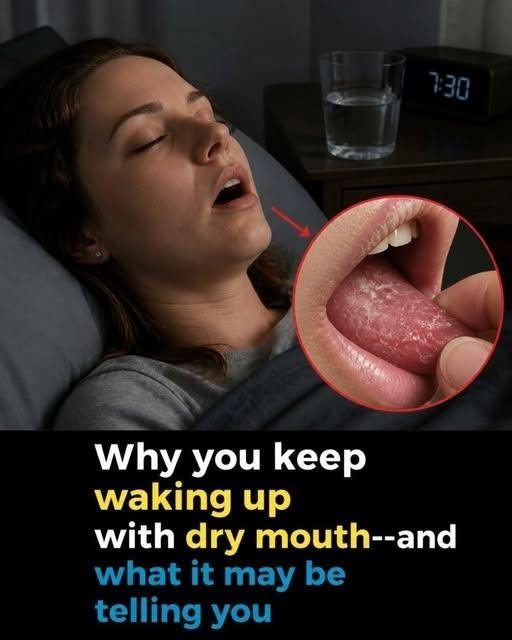
Waking up with dry mouth (xerostomia) is usually a sign that your salivary glands slowed down too much overnight or that moisture is escaping while you sleep. Because saliva naturally drops during sleep to let your body rest, even minor disruptions can leave your mouth feeling parched by morning.
Common Causes
-
Mouth Breathing & Snoring: Sleeping with your mouth open—often due to nasal congestion, allergies, a deviated septum, or obstructive sleep apnea—rapidly evaporates saliva.
-
Dehydration: Not drinking enough fluids during the day, or consuming alcohol, caffeine, or salty foods close to bedtime, reduces overall saliva production.
-
Medications: Hundreds of prescription and over-the-counter drugs list dry mouth as a side effect, especially antihistamines, decongestants, antidepressants, and blood pressure medications.
-
Dry Bedroom Air: Sleeping in a heated or air-conditioned room with low humidity pulls moisture from your airways all night.
-
Underlying Health Conditions: Persistent morning dry mouth can occasionally point to issues like poorly controlled diabetes, Sjögren’s syndrome, or acid reflux (GERD).
What You Can Do Tonight
-
Run a cool-mist humidifier in your bedroom to keep the air from drying out your airways.
-
Address nasal congestion before bed with a saline nasal spray or nasal strips so you can breathe through your nose.
-
Keep water on your nightstand for quick sips, and avoid alcohol, caffeine, and sugary or acidic drinks in the evening.
-
Switch to an alcohol-free mouthwash (such as one formulated with xylitol), as traditional alcohol-based rinses strip away moisture.
When to see a doctor or dentist: If dry mouth happens nearly every morning despite adjusting your habits, or if it comes with loud snoring, gasping for air, frequent nighttime urination, or difficulty swallowing, bring it up with a healthcare provider. Chronic dry mouth also increases the risk of cavities and gum irritation, so regular dental checkups are important.