10 “Circulation Herbs” for Your Legs — What the Evidence Really Says
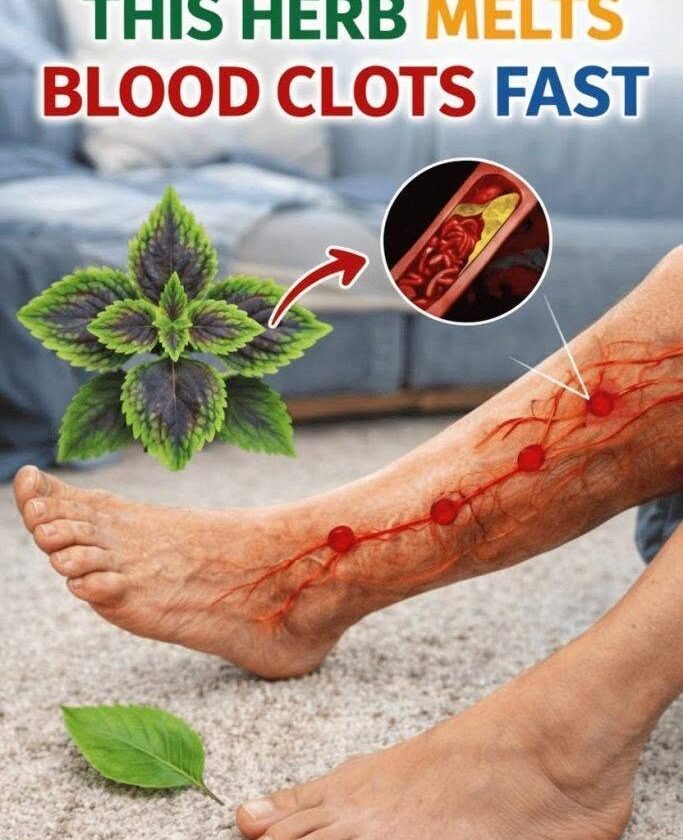
The headline “10 herbs are your secret weapon for killer leg circulation” is much stronger than the scientific evidence. Herbs may have specific uses, but none has been proven to reliably “fix” poor leg circulation, and some can interact with prescription medicines.
N
NCCIH
+1
Some commonly promoted herbs include:
Horse chestnut extract — has some evidence for symptoms of chronic venous insufficiency, such as leg swelling and discomfort, but it isn’t a treatment for blocked arteries.
N
NCCIH
Ginkgo biloba — frequently marketed for circulation, but evidence for meaningful cardiovascular benefits is limited.
Garlic — may have small effects on cardiovascular risk factors such as blood pressure and cholesterol, but it isn’t a substitute for prescribed treatment.
N
NCCIH
Ginger — has various potential cardiovascular effects, but evidence doesn’t establish it as a treatment for leg circulation problems.
Turmeric/curcumin — studied for inflammation and other conditions, but evidence for treating poor leg circulation remains insufficient.
Bilberry — marketed for circulation, but NCCIH says it has not been clearly shown to help any health condition.
N
NCCIH
Grape-seed extract — studied for vascular effects, but evidence isn’t strong enough to recommend it for poor leg circulation.
Green tea — may have modest cardiovascular effects, but it shouldn’t be considered a treatment for arterial disease.
Cayenne/capsaicin — can create a warming sensation, but feeling warmer doesn’t necessarily mean blood flow has improved.
Ginseng — has been studied for cardiovascular effects, but evidence is not sufficient to use it as a treatment for circulation disorders.
The important part
If by “poor circulation” you mean leg pain when walking, cold feet, numbness, weak pulses, skin color changes, or wounds that heal slowly, don’t try to treat it with herbs first. These can be symptoms of peripheral artery disease, which requires proper medical evaluation.
And if one leg suddenly becomes swollen, painful, red, or unusually warm, or you develop sudden chest pain or difficulty breathing, seek urgent medical care.
Herbal supplements can also interact with medications—including blood thinners and cardiovascular drugs—so “natural” does not automatically mean safe.
N
NCCIH
+1
For genuinely improving leg circulation, regular walking/exercise, controlling blood pressure and cholesterol, avoiding tobacco, and treating any underlying vascular disease have far stronger evidence than a collection of herbs.
N
Sources