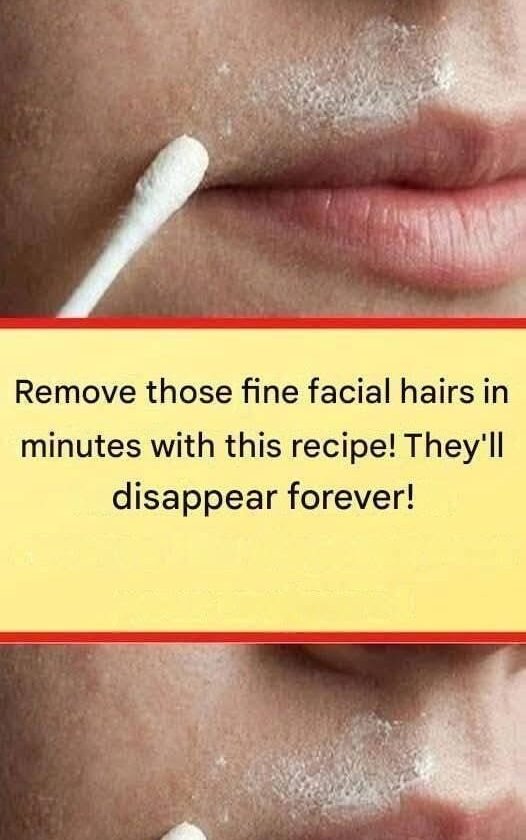
That headline—“This natural recipe will permanently remove facial hair”—is another classic viral beauty myth. While homemade masks and scrubs can temporarily manage or fine-tune facial hair, no natural home remedy can permanently remove facial hair.
Hair growth is governed by deep-rooted follicles embedded beneath the skin’s surface, regulated by genetics and hormones. Topical mixtures cannot destroy these roots or stop future growth entirely.
What Popular “Natural Recipes” Actually Do
Many viral DIY remedies—such as pastes made from turmeric and milk, sugar-and-lemon waxing scrubs, or gram flour (besan) masks—have been passed down through generations. While they can be soothing or exfoliating, here is what they realistically achieve:
-
Exfoliation and Physical Trapping: Masks that dry on the face and are rubbed or peeled off act as physical exfoliants. They can pull away fine, vellus facial hairs (peach fuzz) alongside dead skin cells, leaving the face looking bright and smooth temporarily.
-
Temporary Reduction in Appearance: Ingredients like turmeric have mild anti-inflammatory properties, but they do not alter hair follicle biology or stop hair from growing back at its normal cycle.
Understanding the Reality of Facial Hair Growth
Excessive or stubborn facial hair growth (hirsutism) is often linked to factors beyond simple skin care:
-
Hormonal Influences: Fluctuations in androgens (male hormones like testosterone), conditions like Polycystic Ovary Syndrome (PCOS), or certain medications can stimulate thicker hair growth on the face, jawline, or neck. Topical kitchen ingredients cannot address these internal hormonal pathways.
Clinical and Long-Term Options for Hair Reduction
If you are looking for methods that offer long-term reduction or permanent removal, dermatologists and medical estheticians look to clinical procedures rather than kitchen ingredients:
-
Laser Hair Reduction: Uses concentrated beams of light to target the pigment in hair follicles, damaging them to significantly delay and reduce future growth over multiple sessions.
-
Electrolysis: The only method recognized by the FDA for permanent hair removal. It involves inserting a tiny probe into individual hair follicles to deliver a jolt of electrical current, destroying the follicle’s growth cells entirely.
-
Prescription Topicals: For hormonal facial hair (such as coarse hair on the chin or upper lip), a dermatologist can prescribe treatments like eflornithine cream to slow down growth rates.
A Quick Skin Safety Note:DIY scrubs containing lemon juice, baking soda, or harsh physical abrasives can disrupt the skin’s delicate barrier, causing redness, irritation, or hyperpigmentation—especially on sensitive facial skin. Always perform a patch test before trying any new homemade mixture.
Are you exploring options for managing facial hair, or looking into what might be causing changes in hair growth?