That phrase reads like another classic teaser headline designed to draw you into a video or article!
While viral posts often try to pin nighttime leg cramps (or “charley horses”) on a single secret trick or deficiency, sleep medicine and neurology show that nocturnal leg cramps are actually caused by a mix of mechanical, neurological, and physiological factors.
Why Nighttime Leg Cramps Happen
Most nighttime cramps are classified as idiopathic, meaning they happen without a single clear-cut cause, but they are usually triggered by a combination of these common mechanisms:
-
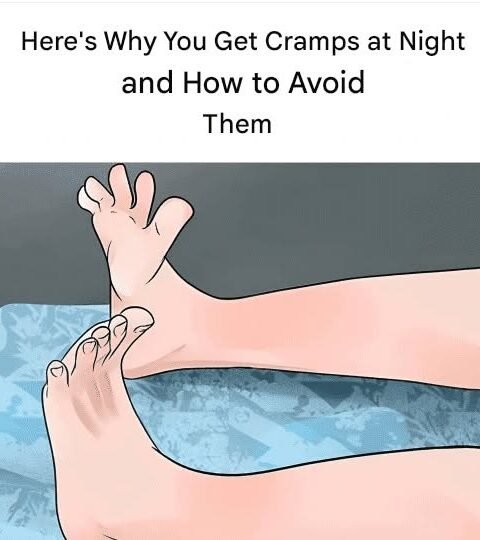
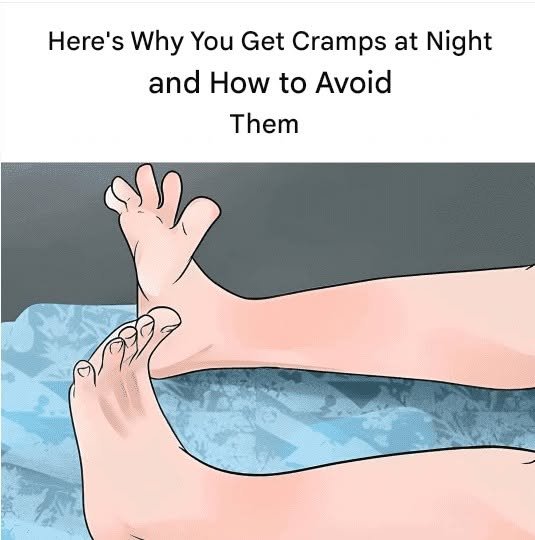
The Sleeping Position Factor: When you lie on your back or side, your feet naturally tend to point downward (a position called plantar flexion). This shortens your calf muscles and tendons, putting them in a slackened state where a minor shift or uninhibited nerve signal can easily cause the muscle to seize up into a cramp.
-
Involuntary Nerve Discharges: Research suggests that cramps often originate in the lower motor neurons, where spontaneous, high-frequency nerve firings tell the muscle to contract intensely and uncontrollably.
-
Muscle Fatigue and Strain: Overusing your muscles during the day, standing for long hours on hard surfaces, or a lack of regular stretching can leave muscles hyper-irritable by the time you go to bed.
-
Dehydration and Electrolytes: Low fluids or imbalances in key minerals (like magnesium, potassium, or calcium) can disrupt normal muscle function and nerve signaling.
-
Medications and Medical Conditions: Certain common prescriptions—such as diuretics (water pills) or statins—can contribute to cramps. Underlying issues like poor circulation, peripheral neuropathy, or metabolic conditions can also play a role.
How to Find Relief
-
In the Moment: When a cramp strikes, stretch the muscle immediately. For a calf cramp, straighten your leg and pull your toes upward toward your shin (dorsiflexion), or stand up and walk around gently to encourage the muscle to release.
-
Prevention: Doing light calf stretches a few minutes before bed, staying well-hydrated throughout the day, and wearing supportive footwear can significantly cut down on how often they happen.
Are you frequently waking up with painful night cramps, or were you curious about what triggers them?