The headline “These visible signs may be hiding liver disease” is reasonable as a warning, but visible changes cannot diagnose liver disease on their own. Many liver conditions cause no noticeable symptoms until significant damage has occurred. (nhs.uk)
Visible signs worth paying attention to
- Yellow eyes or skin (jaundice) — caused by increased bilirubin and can occur with liver disease, although there are other causes too. (nhs.uk)
- Swollen abdomen — fluid accumulation, called ascites, can occur with advanced liver disease.
- Swollen ankles or legs — fluid retention (edema) can occur when liver function is severely impaired. (NIDDK)
- Easy bruising or bleeding — advanced liver disease can interfere with processes involved in blood clotting. (NIDDK)
- Small visible blood vessels on the skin — sometimes called spider angiomas or spider veins; they can occur with cirrhosis but aren’t specific to it. (nhs.uk)
- Red or blotchy palms — palmar erythema can occur in cirrhosis. (nhs.uk)
- Very itchy skin — itching can occur with several liver and bile-duct disorders. (nhs.uk)
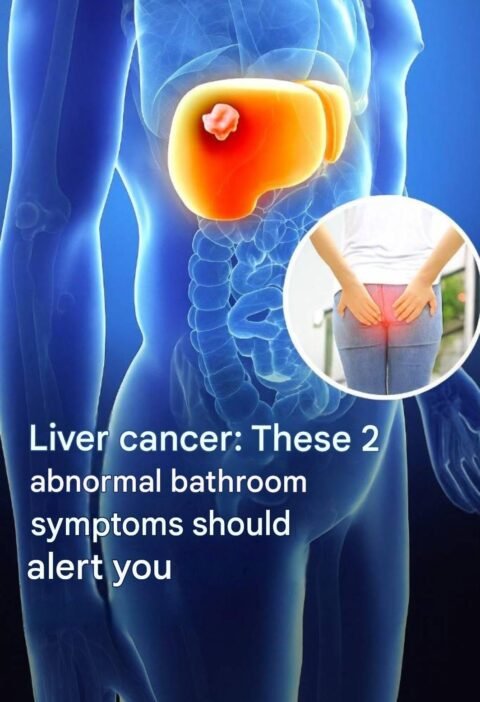
- Dark urine and unusually pale stools — can occur when bile flow or bilirubin processing is disrupted. (nhs.uk)
- Muscle loss or noticeable weakness — can occur as cirrhosis progresses. (NIDDK)
- Changes in the nails or fingertips — certain advanced liver conditions can be associated with white nails or clubbing. (nhs.uk)
One important catch
Fatty liver disease is often silent. A person can have liver disease without yellow skin, abdominal swelling, or any other obvious outward sign. (NIDDK)
If you notice new jaundice, persistent abdominal swelling, unexplained easy bruising, dark urine/pale stools, or significant swelling, arrange a medical evaluation. Doctors may use blood tests and, when appropriate, imaging to determine what’s causing the changes.
Bottom line: Visible signs can provide clues, but normal-looking skin doesn’t rule out liver disease. If you’re concerned, testing is much more reliable than trying to diagnose liver health from appearance alone.