Method 1: The Overnight Baking Soda & Steam Method (For Heavy Burnt-On Grease)
-
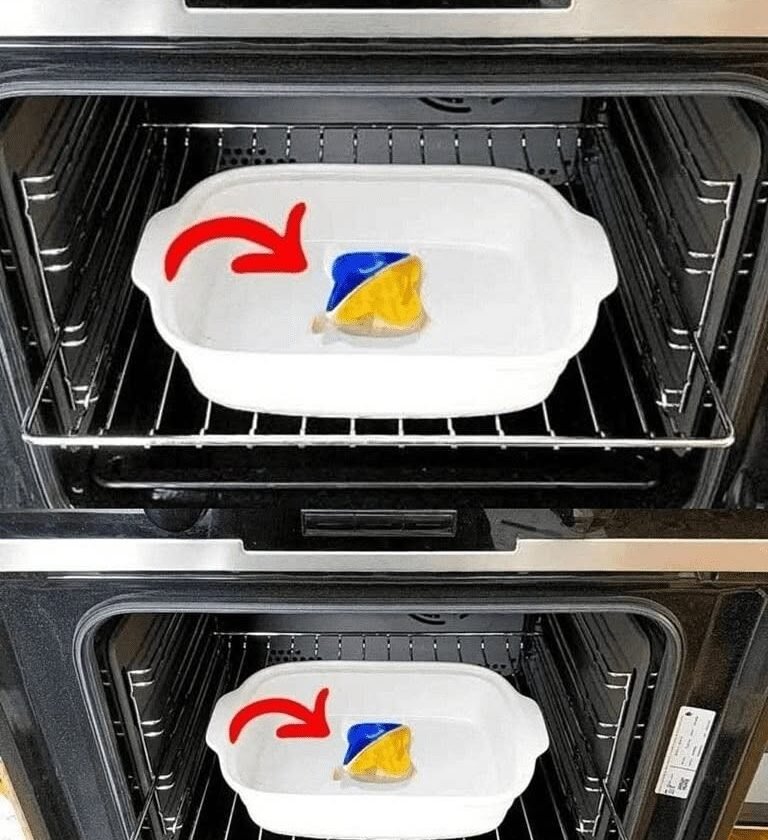
Prep the oven: Make sure the oven is completely cool. Remove the oven racks and place them in a sink or tub lined with a towel, covered in hot water and 1/2 cup of dish soap (or a dishwasher tablet) to soak separately.
-
Make the paste: Mix 1/2 cup of baking soda with 2 to 3 tablespoons of water until it forms a spreadable, pancake-batter consistency. (Add a squirt of liquid dish soap for extra grease-cutting power.)
-
Coat the interior: Spread the paste generously over all dirty surfaces—the bottom, walls, and glass door—avoiding the bare heating elements and gas vents. The paste will turn brown as it absorbs grease.
-
Let it dwell: Close the oven door and leave it untouched for at least 8 to 12 hours (overnight).
-
Trigger the reaction and wipe: Wipe out the bulk of the dried paste with a damp microfiber cloth or plastic scraper. Next, spray distilled white vinegar onto any stubborn spots; the vinegar reacts with the remaining baking soda, foaming up to lift the final residue. Wipe clean with a wet cloth until no white film remains.
Method 2: The 30-Minute Lemon Steam Trick (For Light-to-Moderate Grime)
-
Fill an oven-safe dish or Dutch oven with 2 cups of water and the juice of 2 sliced lemons (drop the rinds into the water as well).
-
Place the dish on the middle rack and bake at 250°F (120°C) for 30 minutes.
-
Turn the oven off and keep the door closed for another 15 minutes so the acidic steam condenses on the grease.
-
While the interior is still warm (not hot), wipe everything down with a damp sponge—grease wipes off like warm butter.
Two Mistakes That Make Oven Cleaning Harder
-
Using the built-in “Self-Clean” cycle carelessly: Extreme heat (800°F–900°F / 425°C–480°C) burns off food, but frequently blows thermal fuses, warps door locks, and fills the kitchen with acrid smoke.
-
Scrubbing glass with metal scouring pads: Steel wool leaves microscopic scratches on tempered oven door glass, weakening it so it can shatter unexpectedly during future high-heat baking. Use a damp pumice stone (kept constantly wet) or a flat razor scraper held at a 30-degree angle for burnt glass spots.