The High-Sugar Alert: 12 Key Symptoms Your Body May Be Showing You
High blood sugar (hyperglycemia) can develop gradually, and some people may not notice symptoms at first. Recognizing the warning signs can help you seek medical advice early.
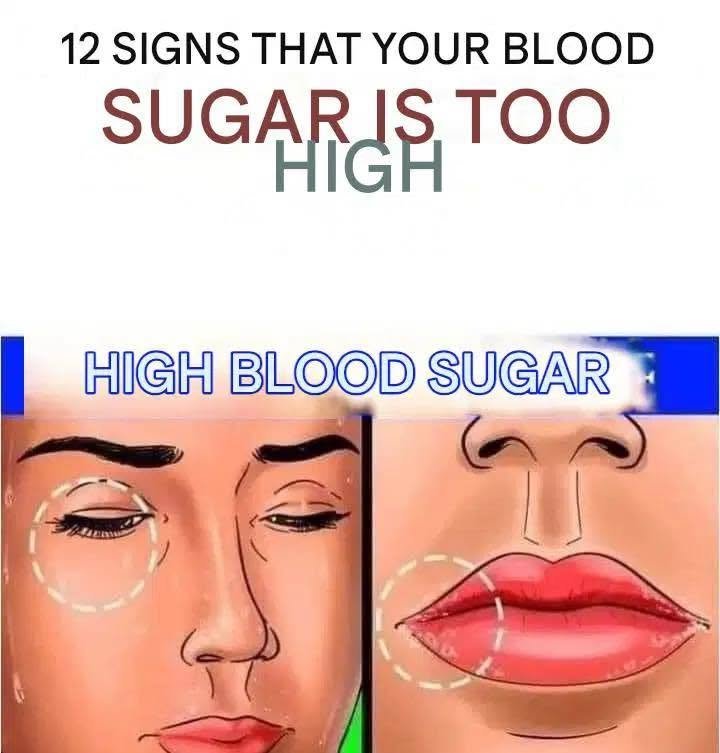
12 possible signs of high blood sugar
-
Frequent urination — You may need to use the bathroom more often than usual, especially at night.
-
Excessive thirst — You feel thirsty even after drinking water.
-
Increased hunger — You feel hungry more often, even after eating.
-
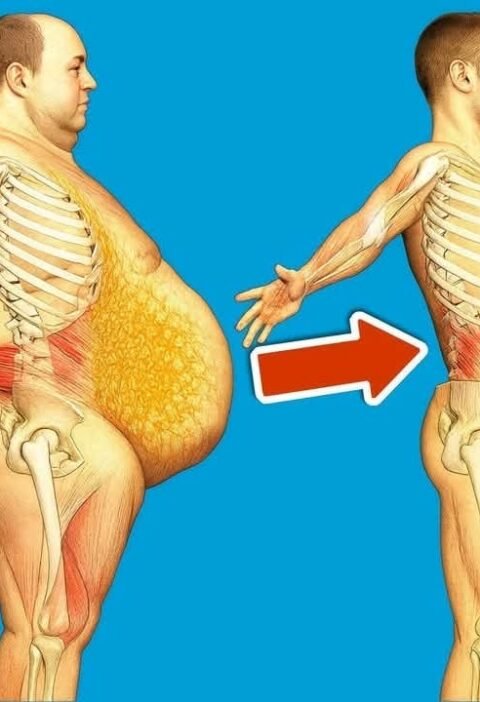
Unexplained weight loss — You lose weight without changing your diet or exercise routine.
-
Persistent fatigue — You feel unusually tired or weak.
-
Blurred vision — Your eyesight becomes temporarily blurry.
-
Slow-healing wounds — Cuts and sores take longer than expected to heal.
-
Frequent infections — You experience recurring skin, urinary tract, or yeast infections.
-
Tingling or numbness — You notice unusual sensations in your hands or feet, especially with prolonged high blood sugar.
-
Dry skin or itching — Your skin feels unusually dry or itchy.
-
Dry mouth — Your mouth feels dry, sometimes alongside increased thirst.
-
Headaches — You experience headaches, sometimes associated with dehydration.
When should you be concerned?
If you have high blood sugar along with vomiting, abdominal pain, deep or rapid breathing, fruity-smelling breath, severe dehydration, confusion, or unusual drowsiness, seek emergency care. These can be signs of diabetic ketoacidosis or another serious complication.
Symptoms alone cannot confirm high blood sugar or diabetes. A blood glucose test and, when appropriate, an HbA1c test can help establish the diagnosis.
Important: High blood sugar can occur without obvious symptoms, particularly in type 2 diabetes. If you notice several of these signs, arrange a medical assessment rather than relying on symptoms alone.