1. Immediate Emergency Red Flags (Call Emergency Services Right Away)
-
Pressure, squeezing, fullness, or tightness in the center or left chest lasting more than a few minutes or coming and going
-
Pain radiating to the left shoulder, left arm, neck, jaw, or upper back
-
Shortness of breath, cold sweats, sudden dizziness, lightheadedness, or unexplained nausea/vomiting
-
Sudden severe abdominal pain accompanied by rigid/hard belly, high fever, persistent vomiting, or fainting
-
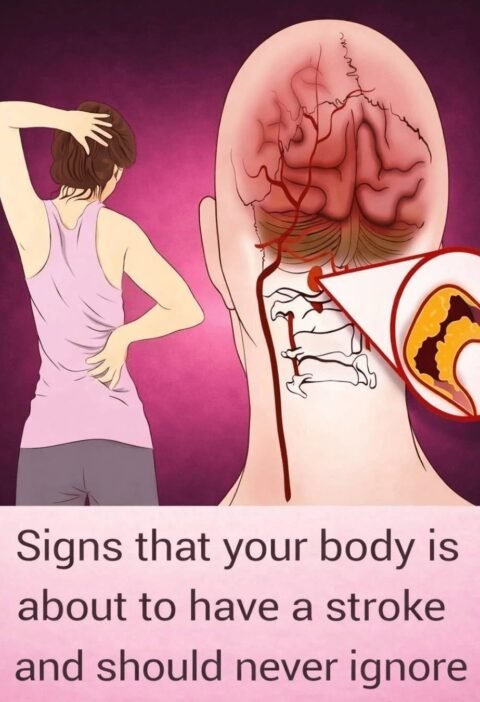
Sudden weakness or numbness on one side of the face or body, slurred speech, or vision loss
2. Common Causes of Left-Sided Pain by Body Region
A. Left Chest & Upper Ribcage
-
Musculoskeletal Strain or Costochondritis (Most Common): Soreness from lifting, coughing, sleeping awkwardly, or inflammation of the cartilage connecting ribs to the breastbone. Often reproducible when you press on the sore spot or twist your torso.
-
Acid Reflux (GERD) or Esophageal Spasm: Burning discomfort (“heartburn”) behind the breastbone that worsens after large/spicy meals or lying flat.
-
Heart-Related Causes (Angina or Heart Attack): Typically feels like deep pressure, heaviness, or constriction rather than a pinpoint sharp twinge, and worsens with physical exertion or emotional stress.
-
Lung or Pleural Issues (Pleurisy, Pneumonia, Pulmonary Embolism): Sharp chest pain that worsens noticeably when taking a deep breath or coughing, often paired with shortness of breath or fever.
B. Left Upper Abdomen (Under the Left Ribs)
-
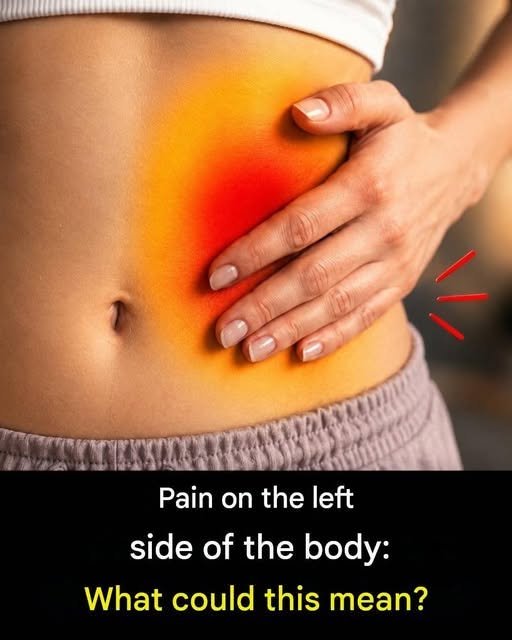
Trapped Gas or Gastritis: Sharp, cramping, or bloated discomfort in the stomach or splenic flexure of the colon that shifts with movement, belching, or passing gas.
-
Enlarged or Injured Spleen: Dull ache or fullness just under the left ribs (sometimes felt at the tip of the left shoulder), especially after viral infections like mononucleosis or a recent fall/impact.
-
Pancreatitis: Severe, steady upper-abdominal pain that often radiates straight through to the mid-back and worsens after eating.
C. Left Lower Abdomen & Groin
-
Diverticulitis: Persistent, worsening ache or tenderness in the lower left belly—especially in adults over 40—often accompanied by fever, nausea, or a change in bowel habits.
-
Constipation or Irritable Bowel Syndrome (IBS): Cramping lower-left pain that improves after a bowel movement.
-
Ovary or Pelvic Causes (in Women): Ovarian cysts, ovulation pain (mittelschmerz), pelvic inflammatory disease, or—if severe and accompanied by missed period/vaginal bleeding—an ectopic pregnancy (an urgent emergency).
-
Inguinal Hernia or Testicular Torsion (in Men): Groin ache or bulge worsened by straining/lifting, or sudden severe testicular pain requiring immediate emergency surgery.
D. Left Back, Flank (Side), and Leg
-
Kidney Stone or Kidney Infection (Pyelonephritis): Intense, wave-like pain in the left side/back below the ribs (flank pain) that radiates toward the groin, often with painful urination, pink/red urine, or fever/chills.
-
Lumbar Muscle Strain or Sciatica: Lower-back ache from muscle spasm, or sharp shooting pain radiating down the back of the left leg from a pinched spinal nerve.
-
Shingles (Herpes Zoster): Burning, tingling, or hypersensitive band-like pain wrapped around one side of the torso a few days before a blistering rash appears.
3. Quick Clues That Help Distinguish Harmless vs. Urgent Pain
| Feature | More Likely Musculoskeletal / Digestive | Needs Prompt or Emergency Medical Review |
| Pain Quality | Pinpoint sharp twinge, surface soreness, or crampy bloating | Deep pressure, squeezing heaviness, or sudden tearing/severe pain |
| Effect of Movement or Touch | Changes when pressing the spot, stretching, or passing gas | Unchanged by pressing on the chest; worsens with walking or exertion |
| Accompanying Signs | Mild belching, localized muscle stiffness | Shortness of breath, cold sweat, dizziness, fever, vomiting, or fainting |