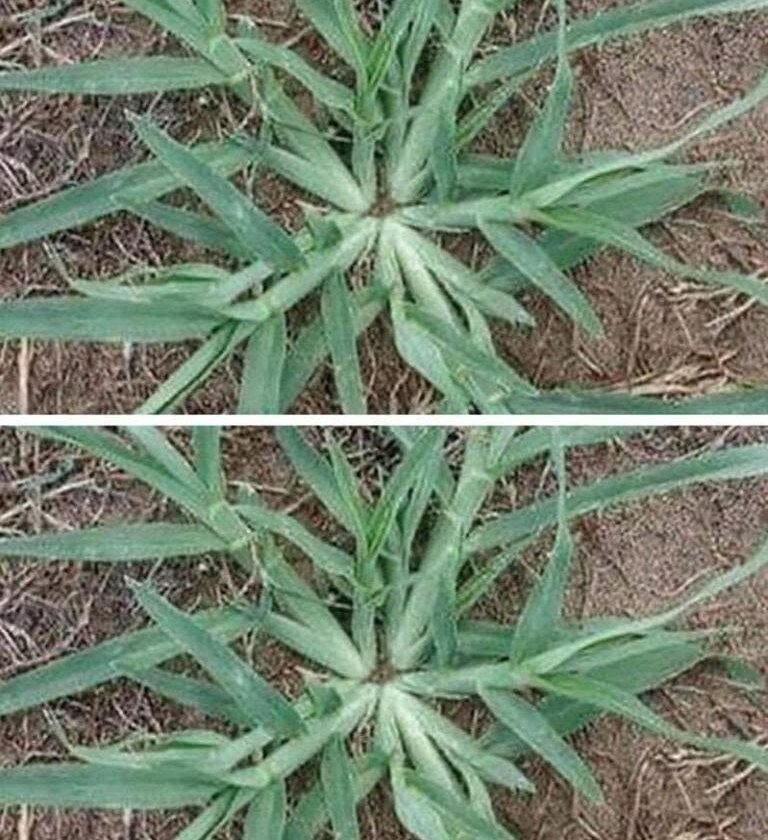
If you’re referring to the viral phrase “Never uproot this plant if it appears in your garden,” the missing detail is important: there is no single plant that everyone should keep. The advice depends on what plant it actually is.
Many viral posts use this hook for plants such as dandelion, purslane, clover, or plantain, which can have ecological or culinary value. But some plants that appear spontaneously in gardens are invasive, irritating, or poisonous.
Why you shouldn’t immediately pull up an unknown plant
- It may benefit pollinators. Some “weeds” provide nectar or pollen for bees and other insects.
- It may protect the soil. Ground-covering plants can reduce erosion and help retain moisture.
- It may be edible—but only if correctly identified. Several common garden weeds are edible, while look-alikes can be toxic.
- It may have traditional uses. Plants such as purslane and dandelion have long culinary or traditional uses, although that doesn’t make them treatments for diseases.
- It may actually be a problem plant. Some weeds spread aggressively and compete with vegetables, flowers, and native plants.
The safest approach
Don’t uproot, eat, or use an unfamiliar plant until you’ve identified it. Take a clear photo of the leaves, stem, flowers, and the whole plant. If you send me a **photo of the plant** , I can help identify it and tell you whether it’s worth keeping, removing, or treating with caution.