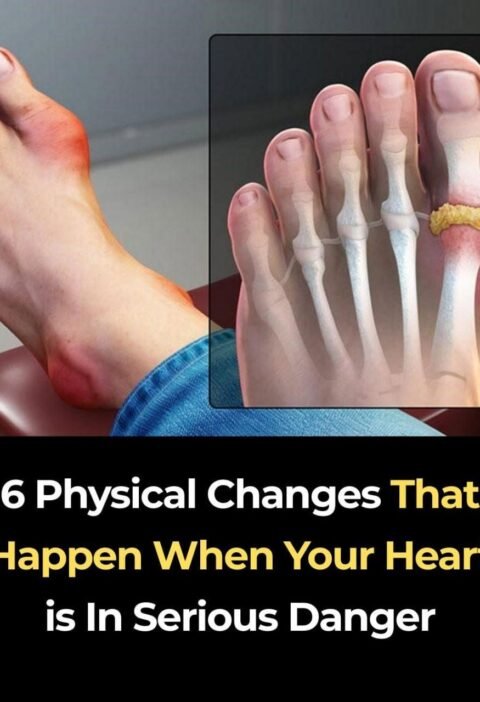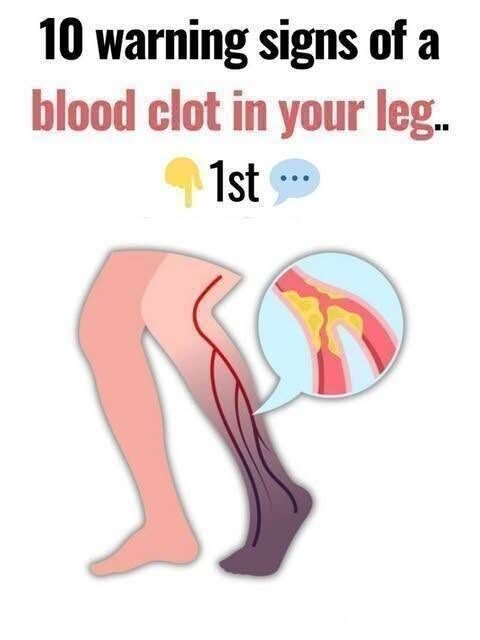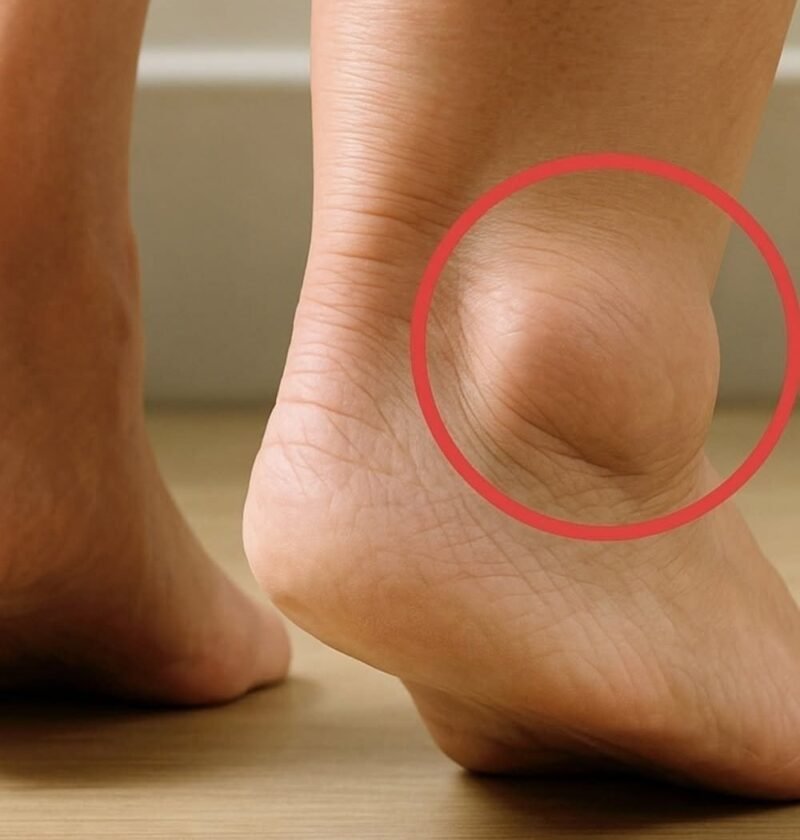
Because foot swelling (medically known as peripheral edema) can stem from a wide range of issues—ranging from simple lifestyle factors to serious medical conditions—it isn’t tied to just one clear sign. Instead, it typically indicates that fluid is building up in your lower extremities, often due to gravity combined with one of the following underlying causes:
Common Potential Causes
-
Lifestyle & Environment: Prolonged sitting or standing, long-distance travel, a high-sodium diet, or heat-induced expansion of blood vessels.
-
Circulatory Issues: Weak leg veins (chronic venous insufficiency) where blood struggles to flow back up to the heart.
-
Medication Side Effects: Certain blood pressure drugs (like calcium channel blockers), steroids, hormone therapy, or antidepressants.
-
Pregnancy: Mild swelling is common, though sudden or severe swelling can sometimes signal preeclampsia.
-
Injury or Inflammation: A sprained ankle, a fracture, a localized infection, or conditions like gout.
-
Major Organ Strain: Persistent or worsening fluid retention can sometimes point to underlying issues with the heart (such as heart failure), kidneys, or liver.
-
Blood Clots: Swelling that occurs suddenly in only one leg or foot can be a sign of a deep vein thrombosis (DVT).
When to Seek Medical Attention
You should consult a healthcare professional promptly if your foot swelling:
-
Appears suddenly, is painful, or affects only one foot/leg (which can indicate a clot).
-
Does not go away with rest, elevation, or lifestyle adjustments.
-
Is accompanied by shortness of breath, chest pain, or rapid weight gain.
If you are currently experiencing foot swelling, is it happening in one foot or both, and are you noticing any other symptoms like pain or shortness of breath?