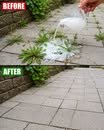
Yes—but homemade weed killers can work, with important limitations.
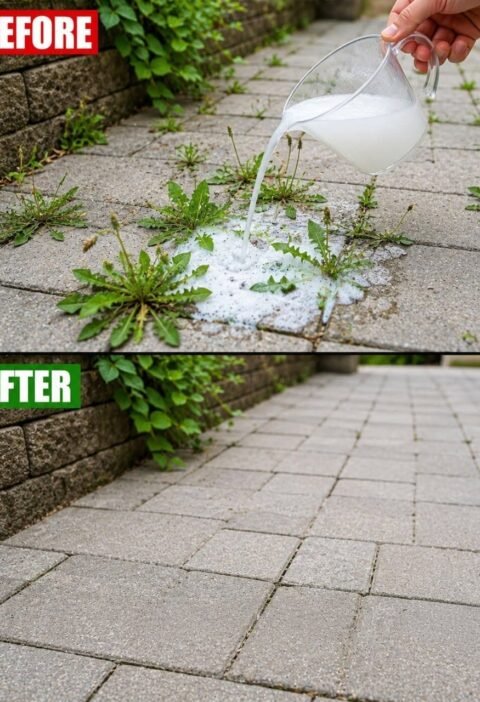
A common DIY mixture is vinegar + a small amount of dish soap. The acetic acid in vinegar can damage the leaves of weeds it contacts, while soap can help the solution spread over the foliage. It tends to work best on young, actively growing weeds.
-
Regular household vinegar (about 5% acetic acid): Can burn foliage but may not kill established or perennial weeds completely.
-
Higher-strength horticultural vinegar: More potent and can cause serious skin/eye irritation, so it requires appropriate precautions.
-
Salt mixtures: They can kill vegetation, but salt can accumulate in soil and harm desirable plants, making it a poor choice for garden beds or areas where you want future plants to grow.
-
Boiling water: Effective for small weeds in cracks and pavement, but it also kills or damages any plant it contacts.
Bottom line: Homemade solutions can be useful for small, isolated weeds, but they aren’t universally effective and can damage surrounding plants or soil. For weeds with deep or persistent roots, repeated removal or a targeted commercial treatment may be more effective.