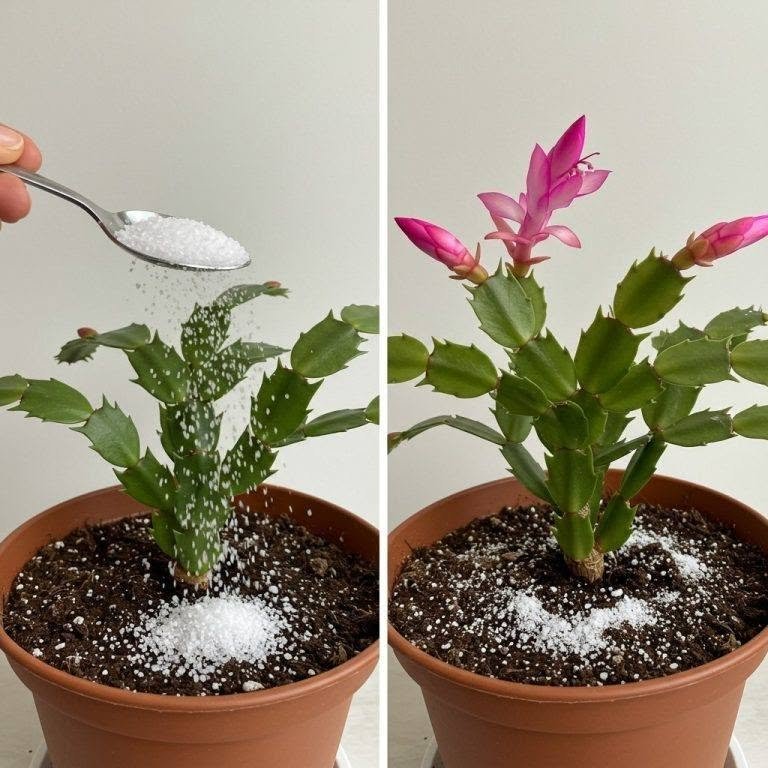
🍂 Fall Awakening: Breathing Life Into House Flowers With a Little Secret
As autumn arrives, shorter days and cooler temperatures can make houseplants slow down. The best “secret” usually isn’t a miracle ingredient—it’s adjusting their care to the changing season.
🌿 Give your plants an autumn refresh
- Increase suitable light
Move plants closer to a bright window if natural light has decreased, while avoiding sudden harsh direct sunlight for plants that prefer filtered light. - Water less frequently
Cooler temperatures and reduced growth often mean soil dries more slowly. Check the soil before watering rather than following a fixed schedule. - Improve drainage
Make sure pots have drainage holes and don’t allow excess water to sit in saucers. Constantly wet roots can lead to root rot. - Clean the leaves
Gently wipe dusty leaves with a damp, clean cloth. Cleaner foliage can help plants make better use of available light. - Check for pests
Inspect the undersides of leaves and stems for spider mites, scale, mealybugs, and other pests before bringing plants closer together for the cooler season. - Don’t overfertilize
If a plant is entering dormancy or significantly slowing its growth, it generally needs less fertilizer. Follow the requirements of the particular species.
🌸 What about a homemade “blooming” mixture?
Be skeptical of recipes calling for sugar, milk, vinegar, baking soda, or other kitchen ingredients to make flowers suddenly bloom. These aren’t universal fertilizers and can encourage mold, pests, salt buildup, or root damage.
For flowering plants that genuinely need feeding, use a fertilizer formulated for that plant and follow its dilution instructions.
Bottom line: The most effective autumn “secret” is giving your houseplants the conditions they actually need—appropriate light, careful watering, good drainage, and species-specific nutrition.